

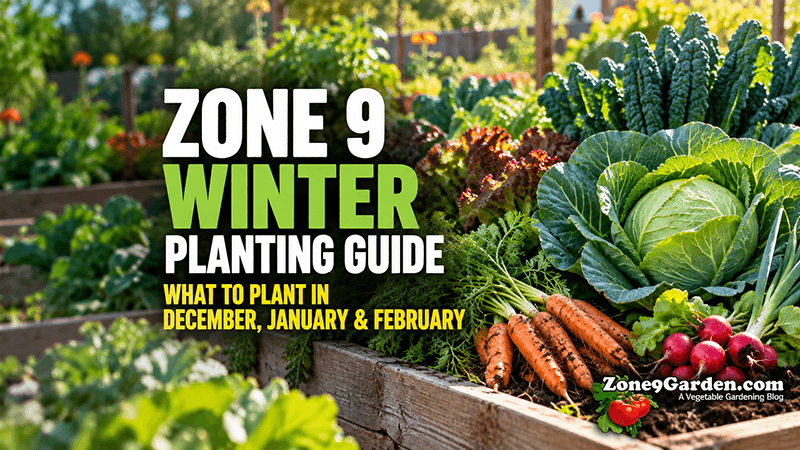
Zone 9 Winter Planting Guide: What to Plant December Through February
If you live in USDA Zone 9, winter can be one of the best times of the year to grow vegetables. While gardeners in colder states are waiting for spring, Zone 9 gardeners can enjoy fresh vegetables throughout much of the winter.
Cooler temperatures create excellent growing conditions for lettuce, broccoli, cabbage, carrots, kale, spinach, and other cool-season crops.
Whether you’re gardening in Florida, Texas, Louisiana, Arizona, or California, this guide explains what to plant each winter month, which vegetables perform best, and how to protect your garden when temperatures drop.
Winter gardening in Zone 9 isn’t exactly the same everywhere. Gardeners in Zone 9a may experience more severe freezes, while those in warmer Zone 9b locations may enjoy longer planting windows.
The key is choosing the right vegetables and planting them at the right time.
Why Winter Is a Great Gardening Season in Zone 9
One of the biggest mistakes new Zone 9 gardeners make is assuming vegetable gardening ends when winter arrives.
In many parts of Zone 9, winter provides some of the most comfortable growing conditions of the year.
Vegetables that struggle during summer heat often perform much better when temperatures cool.
Benefits of winter gardening include:
- Cooler temperatures that reduce heat stress.
- Less frequent watering in many locations.
- Better growing conditions for leafy greens.
- Excellent opportunities for growing root vegetables.
- Reduced risk of heat-related bolting.
- Sweeter flavor in some vegetables after cool weather.
- The ability to harvest fresh vegetables throughout winter.
Winter gardening does come with challenges.
Shorter days slow plant growth, and occasional freezes can damage young plants. Some pests and diseases also remain active throughout winter.
Planting times vary across Zone 9, so always adjust your schedule based on local temperatures, frost dates, and weather conditions.
For a complete year-round overview, visit our Zone 9 Planting Calendar: What to Plant All Year.
Quick Zone 9 Winter Planting Calendar
The following calendar provides a quick overview of vegetables commonly planted during the winter months.
| Month | Best Crops to Plant |
|---|---|
| December | Lettuce, spinach, carrots, radishes, beets, kale, collards, peas, onions |
| January | Lettuce, carrots, beets, radishes, kale, collards, spinach, turnips, peas |
| February | Carrots, lettuce, radishes, beets, Swiss chard, collards, turnips, mustard greens |
These are general recommendations for Zone 9. Some crops should be planted earlier in cooler locations, while gardeners in warmer areas may have longer winter planting windows.
For gardeners preparing their winter beds during autumn, our Zone 9 Fall Planting Guide explains how to establish cool-season vegetables before winter arrives.
What to Plant in December in Zone 9
December is when the winter garden begins to take shape.
Temperatures are usually cooler, making it easier to grow leafy greens, root vegetables, and many members of the cabbage family.
In warmer parts of Zone 9, December is an excellent month for direct sowing vegetables. In colder locations, established fall crops may be more dependable than starting new long-season vegetables.
Good crops to plant in December include:
- Lettuce
- Spinach
- Carrots
- Radishes
- Beets
- Kale
- Collards
- Swiss chard
- Peas
- Onions
- Broccoli transplants
- Cabbage transplants
- Cauliflower transplants
Broccoli, cabbage, and cauliflower grow best when they have enough cool weather to mature. In colder Zone 9 locations, these vegetables are often planted during fall for winter harvests.
Root vegetables such as carrots, beets, and radishes should generally be direct sown.
Prepare the soil carefully before planting. Remove rocks, break up compacted soil, and keep the seedbed consistently moist during germination.
December is also an excellent time to continue harvesting vegetables planted during October and November.
December Planting Calendar
| Crop | Planting Method | Growing Notes |
|---|---|---|
| Lettuce | Seed or transplant | Excellent for winter salads. |
| Spinach | Direct sow | Prefers cool soil and mild weather. |
| Carrots | Direct sow | Keep soil loose and moist. |
| Radishes | Direct sow | Great for succession planting. |
| Beets | Direct sow | Harvest roots and greens. |
| Kale | Seed or transplant | Tolerates light frost. |
| Collards | Seed or transplant | Productive during cool weather. |
| Peas | Direct sow | Provide support for climbing varieties. |
| Broccoli | Transplant | Best where enough cool weather remains. |
| Cabbage | Transplant | Protect young plants during hard freezes. |
December Gardening Tips
Focus on leafy greens and root vegetables that perform well in cooler temperatures.
Plant smaller amounts of lettuce and radishes every one or two weeks to extend your harvest.
Check soil moisture before watering. Cooler temperatures and shorter days generally reduce water requirements.
Keep frost cloth available when freezing temperatures are expected.
What to Plant in January in Zone 9
January is often the coldest month of the year in Zone 9, but many vegetables can continue growing.
Established cool-season crops usually perform well during mild weather, although growth may slow during periods of unusually cold temperatures.
Good crops to plant in January include:
- Carrots
- Beets
- Lettuce
- Radishes
- Kale
- Collards
- Spinach
- Turnips
- Peas
- Green onions
- Cabbage transplants
- Broccoli transplants in suitable locations
January is particularly good for growing leafy greens.
Lettuce, spinach, kale, and collards can produce excellent harvests when temperatures remain cool.
Radishes are another dependable choice. Many varieties mature quickly, making them useful for filling empty spaces between larger vegetables.
Plant small amounts of radishes and lettuce every one or two weeks to extend your harvest.
Keep frost cloth available when freezing temperatures are expected.
January is also a good time to begin planning the spring garden. In some Zone 9 locations, tomato and pepper seeds can be started indoors for transplanting after frost danger has passed.
January Planting Calendar
| Crop | Planting Method | Growing Notes |
|---|---|---|
| Carrots | Direct sow | Loose soil encourages straight roots. |
| Beets | Direct sow | Thin seedlings for larger roots. |
| Lettuce | Seed or transplant | Plant every 1–2 weeks. |
| Radishes | Direct sow | Fast-growing winter crop. |
| Kale | Seed or transplant | Harvest outer leaves. |
| Collards | Seed or transplant | Tolerates cool conditions. |
| Spinach | Direct sow | Excellent during cool weather. |
| Turnips | Direct sow | Harvest roots and greens. |
| Peas | Direct sow | Plant before spring heat arrives. |
| Cabbage | Transplant | Choose suitable maturity dates. |
January Gardening Tips
Continue harvesting established broccoli, cabbage, kale, and collards.
Protect young seedlings during hard freezes.
Check the undersides of brassica leaves for caterpillars and aphids.
Avoid overwatering during prolonged periods of cool or cloudy weather.
January is also a good time to review your seed supplies and begin preparing for spring planting.
What to Plant in February in Zone 9
February is a transition month for Zone 9 gardeners.
Cool-season vegetables can still produce excellent harvests, but increasing daylight and gradually warming temperatures begin changing the garden.
In warmer locations, February may be the last good opportunity to plant some cool-season vegetables before spring heat arrives.
Good crops to plant in February include:
- Carrots
- Beets
- Radishes
- Lettuce
- Kale
- Collards
- Swiss chard
- Turnips
- Mustard greens
- Green onions
- Parsley
- Peas in cooler locations
- Spinach where cool weather continues
February is a good month to concentrate on vegetables that mature quickly.
Radishes, leaf lettuce, and baby greens are especially useful.
Long-season vegetables such as broccoli and cauliflower may struggle if planted too late in warm locations.
Continue harvesting established winter crops while preparing empty garden beds for spring.
In warmer Zone 9 areas, February may also bring opportunities to begin transplanting selected warm-season vegetables. However, gardeners should always check local frost dates and soil temperatures before planting tomatoes, peppers, or other cold-sensitive crops outdoors.
February Planting Calendar
| Crop | Planting Method | Growing Notes |
|---|---|---|
| Carrots | Direct sow | Plant before sustained spring heat. |
| Beets | Direct sow | Good for roots and greens. |
| Radishes | Direct sow | Quick-growing crop. |
| Lettuce | Seed or transplant | Choose fast-maturing varieties. |
| Kale | Seed or transplant | Harvest before hot weather. |
| Collards | Seed or transplant | Can continue into spring. |
| Swiss chard | Seed or transplant | Useful for repeated harvests. |
| Turnips | Direct sow | Grow for roots or greens. |
| Mustard greens | Direct sow | Fast-growing leafy vegetable. |
| Parsley | Seed or transplant | Performs well in mild weather. |
February Gardening Tips
Continue harvesting winter vegetables while preparing for spring.
Watch lettuce and spinach for signs of bolting as temperatures rise.
Remove exhausted plants and prepare empty beds with compost where needed.
Check irrigation systems before warmer weather arrives.
Avoid planting warm-season vegetables outdoors until local conditions are suitable.
Best Vegetables for a Zone 9 Winter Garden
Some vegetables are especially well suited to the cooler temperatures of winter.
The most dependable choices include leafy greens, root vegetables, brassicas, and peas.
Leafy Greens
Leafy greens are among the easiest vegetables to grow during winter in Zone 9.
Good choices include:
Lettuce performs particularly well during cool weather because high temperatures can cause plants to bolt and develop bitter leaves.
Spinach also prefers cooler conditions and can be difficult to grow during the hottest months.
Kale and collards are excellent for repeated harvesting. Remove mature outer leaves while allowing the center of each plant to continue growing.
For more detailed planting instructions, visit our How to Grow Lettuce in Zone 9 guide.
Root Vegetables
Root vegetables are excellent choices for the winter garden.
Good crops include:
Most root vegetables perform best when planted directly into the garden.
Prepare the soil by removing rocks and breaking up compacted areas.
Carrots need loose soil to develop straight roots, while beets and turnips require enough space for their roots to expand.
Radishes are especially useful because they mature quickly.
Plant small amounts every one or two weeks to maintain a steady supply.
For additional planting and harvesting advice, read our How to Grow Radishes in Zone 9 guide.
Brassicas
Brassicas are among the most dependable vegetables for cool-season gardening.
Good choices include:
- Broccoli
- Cabbage
- Cauliflower
- Kale
- Collards
- Brussels sprouts
Broccoli, cabbage, and cauliflower are often established during fall so they can mature during winter.
These vegetables generally prefer cool temperatures, but their planting windows depend on local climate.
Broccoli may produce smaller side shoots after the main head is harvested, depending on the variety.
Cabbage requires enough growing time to form firm heads.
Cauliflower is particularly sensitive to temperature stress during head development.
Caterpillars can remain active during winter, so inspect plants regularly.
For additional growing instructions, see our How to Grow Broccoli in Zone 9.
Peas and Onions
Peas and onions are also valuable winter vegetables.
English peas, snow peas, and sugar snap peas generally perform best during cool weather.
Provide a trellis for climbing varieties and plant early enough for pods to develop before spring temperatures become too warm.
Onions require additional planning because bulb formation depends on day length.
Short-day onions are commonly grown in the southern United States, while intermediate-day varieties may be more suitable in some other Zone 9 regions.
Choose onion varieties recommended by your local Extension service.
How to Prepare Your Garden for Winter Planting
Preparing the garden properly helps winter vegetables establish strong roots and maintain healthy growth.
Start by removing exhausted summer and fall crops.
Healthy plants that are still producing can remain in the garden, but severely diseased plants should be removed.
Check the soil before planting.
Root vegetables need loose, well-draining soil, while leafy greens and brassicas benefit from adequate organic matter and balanced fertility.
Add finished compost where needed, but avoid excessive fertilizer applications.
A soil test can help determine whether additional nutrients are necessary.
Check irrigation lines and repair leaks before planting.
Apply mulch around established vegetables to conserve moisture and moderate soil temperature.
Winter preparation also includes keeping frost cloth available for unexpected cold weather.
For more information about transitioning from summer to cooler weather, read From Summer Burnout to Fall Harvest: How to Reset Your Zone 9 Garden.
Watering a Winter Garden in Zone 9
Winter gardens generally require less frequent watering than summer gardens.
Cooler temperatures, shorter days, and reduced evaporation often mean the soil stays moist longer.
However, newly planted seeds still need consistent moisture.
Keep the upper layer of soil evenly moist during germination.
Once vegetables become established, water thoroughly when needed rather than automatically watering every day.
Check soil moisture before irrigating.
Overwatering during winter can contribute to root diseases, nutrient loss, and poor plant growth.
In dry regions such as Arizona and parts of California, irrigation may still be necessary even during cool weather.
Adjust your watering schedule to local rainfall, soil conditions, and plant needs.
Fertilizing Winter Vegetables
Winter vegetables need nutrients to grow, but applying too much fertilizer can cause problems.
Before fertilizing, consider having your soil tested.
Leafy greens often require adequate nitrogen to support healthy leaf production.
Broccoli, cabbage, and cauliflower also need balanced nutrition for steady growth.
Root vegetables should not receive excessive nitrogen because it can encourage leafy growth at the expense of root development.
Use fertilizer recommendations appropriate for your crop and soil.
Avoid applying more fertilizer than the label or soil test recommends.
Protecting Your Zone 9 Garden From Frost
Although Zone 9 has relatively mild winters, freezing temperatures can still occur.
Zone 9a generally experiences colder winter extremes than Zone 9b.
However, both zones can experience frost, and some areas occasionally experience hard freezes.
Cold-tolerant vegetables such as kale, collards, spinach, carrots, and cabbage can often withstand light frost better than warm-season vegetables.
Young seedlings may still need protection.
Ways to protect your winter garden include:
- Covering vulnerable plants with frost cloth.
- Securing covers to prevent cold air from entering.
- Applying mulch around root zones.
- Protecting young transplants before freezing nights.
- Monitoring local frost warnings.
- Removing or ventilating covers when temperatures rise.
Avoid placing plastic directly against plant leaves.
Severe freezes may damage even cold-tolerant vegetables, especially when temperatures remain below freezing for extended periods.
Common Winter Garden Pests in Zone 9
Winter doesn’t eliminate garden pests.
Many insects remain active during mild weather, especially in warmer and more humid regions.
Common winter pests include:
- Cabbageworms
- Cabbage loopers
- Aphids
- Slugs
- Snails
- Flea beetles
Cabbageworms and cabbage loopers can damage broccoli, cabbage, cauliflower, kale, and collards.
Inspect the undersides of leaves for caterpillars and eggs.
Aphids often gather on tender new growth and can become a problem on leafy greens and brassicas.
Slugs and snails may damage lettuce and young seedlings during damp weather.
Check plants regularly and manage pests before infestations become severe.
Winter diseases can also be a problem.
High humidity, frequent rainfall, and extended leaf wetness may encourage downy mildew, leaf spots, and other diseases.
Provide adequate plant spacing and avoid unnecessary overhead watering.
Zone 9a vs. Zone 9b Winter Gardening
Not every Zone 9 winter garden experiences the same conditions.
USDA Zone 9a has average annual extreme minimum temperatures of 20–25°F, while Zone 9b averages 25–30°F.
These classifications describe winter temperature extremes rather than typical winter weather.
Zone 9a Winter Gardening
Zone 9a gardeners should be prepared for colder temperatures and potentially more significant freezes.
Cold-tolerant vegetables are often the most dependable choices.
Good options include:
- Kale
- Collards
- Carrots
- Spinach
- Turnips
- Cabbage
- Radishes
Long-season vegetables such as broccoli and cauliflower may need to be established during fall to ensure they have enough time to mature.
Keep frost protection supplies available throughout winter.
Zone 9b Winter Gardening
Zone 9b generally has milder winter extremes.
Many gardeners can continue planting cool-season vegetables throughout December and January.
However, Zone 9b is not frost-free.
Unexpected freezes can still damage tender plants.
In warmer Zone 9b locations, rising temperatures during February may become a bigger concern than cold weather.
Choose vegetables that can mature before sustained spring heat arrives.
Regional Differences Across Zone 9
Zone 9 includes several different growing climates.
Florida and the Southeast: Mild winters provide excellent opportunities for leafy greens, brassicas, and root vegetables. Humidity and occasional cold fronts remain important considerations.
Texas and the Gulf Coast: Rapid temperature changes can occur during winter. Gardeners should prepare for both mild weather and occasional hard freezes.
Arizona: Sunny winter days and cool nights create favorable growing conditions, but irrigation and frost protection may still be necessary.
California: Coastal gardens may have relatively mild winters, while inland valleys can experience frost, fog, and prolonged cool weather.
Always combine your USDA hardiness zone with local planting recommendations.
Common Zone 9 Winter Gardening Mistakes
One common mistake is assuming that every vegetable can be planted throughout winter.
Some crops need to be established during fall so they can mature before the coldest weather or before spring temperatures rise.
Other common mistakes include:
- Planting broccoli and cauliflower too late.
- Overwatering during cool weather.
- Ignoring frost forecasts.
- Planting carrots in compacted soil.
- Using the wrong onion varieties.
- Planting too many vegetables at once.
- Forgetting to protect young seedlings.
- Ignoring caterpillars on brassicas.
- Failing to adjust planting dates for local conditions.
- Leaving exhausted crops in garden beds.
Planning ahead can prevent many of these problems.
One of the best ways to maintain a productive winter garden is to plant vegetables in smaller batches rather than all at once.
Our Succession Planting in Zone 9 guide explains how to keep vegetables producing throughout the growing season.
Zone 9 Winter Gardening Checklist
December Checklist
-
Plant suitable cool-season vegetables.
-
Direct sow carrots, radishes, beets, and spinach.
-
Transplant brassicas where conditions allow.
-
Harvest established fall vegetables.
-
Inspect plants for caterpillars and aphids.
-
Reduce watering as temperatures cool.
-
Prepare frost protection materials.
January Checklist
-
Continue planting suitable leafy greens.
-
Sow additional radishes and carrots.
-
Harvest broccoli, cabbage, kale, and collards.
-
Protect young plants during freezes.
-
Check soil moisture before watering.
-
Remove damaged or diseased foliage.
-
Begin planning spring vegetables.
February Checklist
-
Plant quick-growing cool-season crops.
-
Harvest remaining winter vegetables.
-
Watch lettuce and spinach for bolting.
-
Prepare empty garden beds for spring.
-
Check irrigation systems.
-
Monitor late-winter frost forecasts.
-
Start warm-season crops indoors where appropriate.
Frequently Asked Questions About Winter Gardening in Zone 9
What vegetables grow best in Zone 9 during winter?
Some of the most dependable winter vegetables include broccoli, cabbage, lettuce, kale, spinach, carrots, radishes, beets, collards, and peas.
The best planting dates depend on your local climate.
Can I grow vegetables all winter in Zone 9?
Yes. Many Zone 9 gardeners can grow and harvest vegetables throughout December, January, and February.
Growth may slow during cold weather, but established cool-season vegetables can remain productive.
Can I grow tomatoes during winter in Zone 9?
Tomatoes are warm-season plants and are vulnerable to frost.
Although some protected or exceptionally mild locations may support winter tomatoes, they are not a dependable outdoor winter crop throughout Zone 9.
Most gardeners should concentrate on cool-season vegetables during winter.
For information about planning your next tomato crop, visit our Zone 9 Tomato Crop Profile.
Does Zone 9 get frost?
Yes. Both Zone 9a and Zone 9b can experience freezing temperatures.
Zone 9a generally experiences colder winter extremes, but gardeners in both zones should monitor frost forecasts.
Is winter gardening easier than summer gardening in Zone 9?
For many crops, yes.
Cooler temperatures reduce heat stress and create better conditions for lettuce, spinach, broccoli, cabbage, and root vegetables.
However, frost protection, shorter days, and slower growth require additional planning.
When should I start preparing for spring planting?
January and February are good months to begin planning spring crops.
Depending on your location, you may be able to start tomatoes, peppers, and other warm-season vegetables indoors during winter.
Outdoor planting should be based on local frost dates, soil temperatures, and the needs of each crop.
Final Thoughts
Winter is one of the most rewarding seasons for vegetable gardening in Zone 9.
While gardeners in colder climates are waiting for spring, Zone 9 gardeners can grow fresh lettuce, broccoli, cabbage, carrots, kale, spinach, radishes, and many other vegetables.
The key is matching each crop to the right planting window.
December is excellent for establishing and harvesting cool-season vegetables. January provides opportunities for leafy greens and root crops, while February begins the transition toward spring.
Start with dependable crops, plant in stages, and adjust your schedule based on local temperatures and frost conditions.
With proper planning, your Zone 9 winter garden can provide fresh vegetables throughout the season.
Related Zone 9 Planting Guides
- Zone 9 Fall Planting Guide — Plan your cool-season garden before winter arrives.
- Zone 9 Planting Calendar: What to Plant All Year — Explore planting opportunities for every month.
- Zone 9 Crop Profiles — Browse detailed growing information for individual vegetables.
- How to Grow Broccoli in Zone 9 — Learn how to grow one of Zone 9’s most popular cool-season vegetables.
- 15 Vegetables That Grow Better in Fall Than Spring in Zone 9 — Discover more vegetables that thrive during cooler weather.
- Succession Planting in Zone 9 — Keep your garden producing with staggered planting dates.


