
If your garden is looking tired by the end of summer, you’re not alone. Months of intense sunshine, high temperatures, frequent watering, and heavy vegetable production can leave even the healthiest garden looking worn out. Tomato vines begin to decline, cucumbers stop producing, squash plants battle insects and disease, and weeds seem to take over overnight.
For many gardeners around the country, this marks the end of the growing season. But for those of us gardening in Zone 9, it’s actually the beginning of one of the best times of the year to grow vegetables.
The cooler temperatures of fall create ideal growing conditions for many crops that struggle during the summer months. Leafy greens become sweeter, root vegetables develop better flavor, and cool-season crops like broccoli and cabbage finally have the opportunity to thrive.
Before planting your fall garden, however, it’s important to give your existing garden a fresh start. A little preparation now will improve your soil, reduce pests and diseases, and help ensure a productive harvest through fall and into winter.
Why Resetting Your Garden Is Important
Summer vegetables are some of the heaviest feeders in the garden. Tomatoes, peppers, cucumbers, squash, melons, and corn pull large amounts of nutrients from the soil while producing for months on end.
At the same time, frequent irrigation and heavy rains can wash nutrients deeper into the soil, while the intense summer sun breaks down mulch and organic matter much faster than many gardeners realize.
By the end of summer, most garden beds have several common problems, including depleted nutrients, compacted soil, broken-down mulch, weeds, insect populations, and lingering plant diseases.
Simply pulling out old plants and planting new vegetables rarely produces the best results. Taking the time to refresh your garden now creates healthier soil and healthier plants for months to come.
Remove Spent Summer Crops
The first step is removing vegetables that have finished producing.
Plants that are declining become magnets for insects, fungal diseases, and bacteria. Even if they’re still producing an occasional tomato or cucumber, heavily stressed plants often do more harm than good by remaining in the garden.
Common crops ready for removal include:
- Tomatoes nearing the end of production
- Cucumbers
- Squash and zucchini
- Bush beans
- Corn
- Melons
- Okra that has slowed significantly
Inspect each plant carefully before deciding whether it should stay or go. Healthy plants that are still producing well can remain, but anything severely damaged, diseased, or insect-infested should be removed.
Removing old crops also opens valuable space for your fall vegetables.
Dispose of Diseased Plants Properly
Not every plant belongs in the compost pile.
If a plant suffered from diseases like early blight, late blight, bacterial wilt, powdery mildew, or mosaic viruses, it’s better to dispose of it rather than compost it.
While properly managed compost piles can destroy many pathogens, most backyard compost piles don’t consistently reach temperatures high enough to eliminate every disease.
Only compost healthy plant material.
Pull Weeds Before They Become Next Year’s Problem
Late summer weeds often grow faster than garden vegetables.
Many common weeds are preparing to produce thousands of seeds that will remain in your garden soil for years.
Removing weeds before they flower and produce seed is one of the easiest ways to reduce weed pressure next season.
Pay particular attention to:
- Crabgrass
- Pigweed
- Spurge
- Purslane
- Nutsedge
- Ragweed
Even spending thirty minutes pulling weeds now can save countless hours of work next spring.
Refresh Your Soil with Compost
One of the best things you can do for your garden is replenish organic matter.
Adding two to three inches of finished compost over your garden beds helps restore nutrients while dramatically improving soil health.
Compost provides numerous benefits, including:
- Improved drainage
- Better moisture retention
- Increased microbial activity
- Slow-release nutrients
- Improved soil structure
- Greater earthworm activity
Healthy soil is the foundation of every successful vegetable garden.
If you don’t make your own compost, quality bagged compost from a local garden center works well too.
Rebuild Nitrogen Naturally
After a long summer growing season, nitrogen levels are often lower than they were in spring.
Leafy vegetables like lettuce, spinach, kale, cabbage, and broccoli require adequate nitrogen to produce healthy growth.
Excellent organic nitrogen sources include:
- Compost
- Worm castings
- Well-aged manure
- Fish emulsion
- Blood meal
- Alfalfa meal
These organic materials release nutrients gradually while feeding beneficial microorganisms that improve overall soil health.
If you prefer synthetic fertilizers, choose one appropriate for vegetables and follow the recommended application rates.
Better yet, perform a soil test before fertilizing. Knowing exactly what your soil needs prevents unnecessary fertilizer applications and saves money.
Loosen Compacted Soil
Months of irrigation, rainfall, and foot traffic often leave garden beds compacted.
Compacted soil limits root growth, reduces drainage, and decreases oxygen available to beneficial soil organisms.
Before planting your fall crops, gently loosen the soil using a garden fork or broadfork.
Unlike traditional tilling, which can damage soil structure, broadforking lifts and loosens the soil while preserving beneficial microorganisms and earthworm tunnels.
If your soil feels hard or water tends to puddle after watering, loosening it before planting can make a significant difference.
Replace Summer Mulch
Mulch works hard during a Zone 9 summer.
By fall, much of it has decomposed or washed away.
Adding a fresh layer of mulch helps:
- Reduce weeds
- Retain moisture
- Moderate soil temperatures
- Reduce erosion
- Feed the soil as it breaks down
Organic mulches such as straw, shredded leaves, pine straw, or untreated wood chips all work well.
Aim for a layer about two to three inches thick, keeping mulch a few inches away from plant stems to reduce the risk of rot.
Adjust Your Irrigation Schedule
One of the biggest mistakes gardeners make during the transition to fall is continuing to water as if it’s still midsummer.
As temperatures cool and daylight hours shorten, plants use less water.
Continuing your summer watering schedule can leave the soil overly wet, increasing the risk of root diseases and fungal problems.
Instead:
- Check soil moisture before watering.
- Water deeply rather than frequently.
- Inspect drip lines for leaks or clogged emitters.
- Reprogram irrigation timers to match the cooler weather.
Your plants—and your water bill—will thank you.
Rotate Your Crops
Crop rotation is one of the easiest ways to reduce pest and disease problems naturally.
Avoid planting vegetables from the same family in the same location year after year.
For example, don’t plant tomatoes where tomatoes grew during the spring.
Instead, rotate plant families whenever possible.
Good rotations include:
- Tomatoes followed by beans
- Cucumbers followed by broccoli
- Squash followed by lettuce
- Corn followed by carrots
Crop rotation helps reduce soil-borne diseases, nematodes, insect populations, and nutrient depletion.
Prepare Beds for Cool-Season Vegetables
Once your beds have been cleaned and refreshed, it’s time to prepare for planting.
Fall is one of the best seasons to grow vegetables in Zone 9.
Excellent choices include:
Leafy Greens
- Lettuce
- Spinach
- Kale
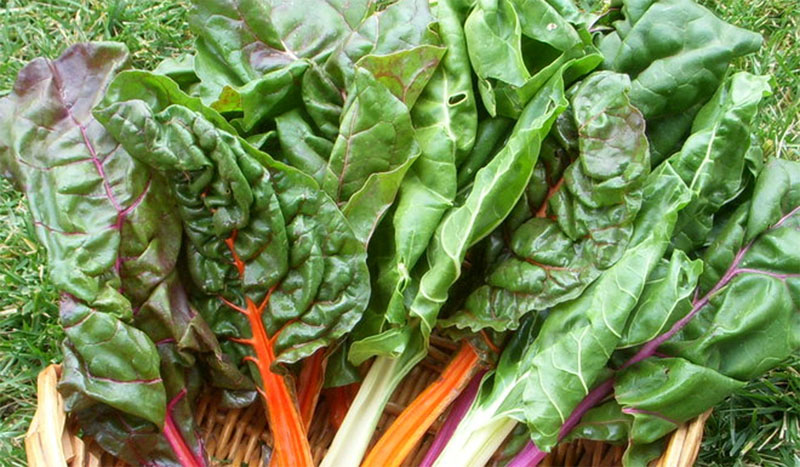
- Swiss chard
- Arugula
- Mustard greens
Root Crops
- Carrots
- Beets
- Turnips
- Radishes
- Parsnips
Brassicas
- Broccoli
- Cauliflower
- Cabbage
- Brussels sprouts
- Kohlrabi
Alliums
- Garlic
- Onions
- Shallots
- Leeks
Many gardeners find that fall-grown vegetables are sweeter, more flavorful, and easier to grow than spring crops because cooler temperatures reduce plant stress and many insect populations begin to decline.
Watch for Fall Pests
While insect pressure decreases during fall, pests don’t disappear completely.
Continue checking plants regularly for:
- Aphids
- Caterpillars
- Whiteflies
- Armyworms
- Slugs
- Snails
Early detection allows you to address problems before they become major infestations.
A quick walk through the garden every few days is usually enough to spot issues early.
Clean and Organize Your Garden Tools
Before the busy fall season begins, spend a little time maintaining your equipment.
Clean and sharpen pruners, sanitize tomato cages, repair raised beds, replace worn gloves, and inspect irrigation systems.
Well-maintained tools make gardening easier and help reduce the spread of plant diseases.
Final Thoughts
One of the greatest advantages of gardening in Zone 9 is that the growing season doesn’t end when summer does. In fact, many gardeners consider fall to be the most enjoyable and productive time of the year.
By removing spent crops, enriching your soil with compost, replenishing nutrients, adjusting your irrigation, and preparing beds for cool-season vegetables, you’ll give your garden the strong foundation it needs for months of healthy growth.
Instead of looking at your tired summer garden as something that’s finished, think of it as an opportunity. With just a little cleanup and preparation, those same garden beds can soon be overflowing with crisp lettuce, sweet carrots, tender broccoli, flavorful garlic, and a wide variety of cool-season vegetables.
A successful fall garden begins long before the first seed is planted. Invest a little time in resetting your garden now, and you’ll enjoy healthier plants, bigger harvests, and a growing season that continues well into winter.
Usefull Liknks