
Last Updated on November 10, 2026
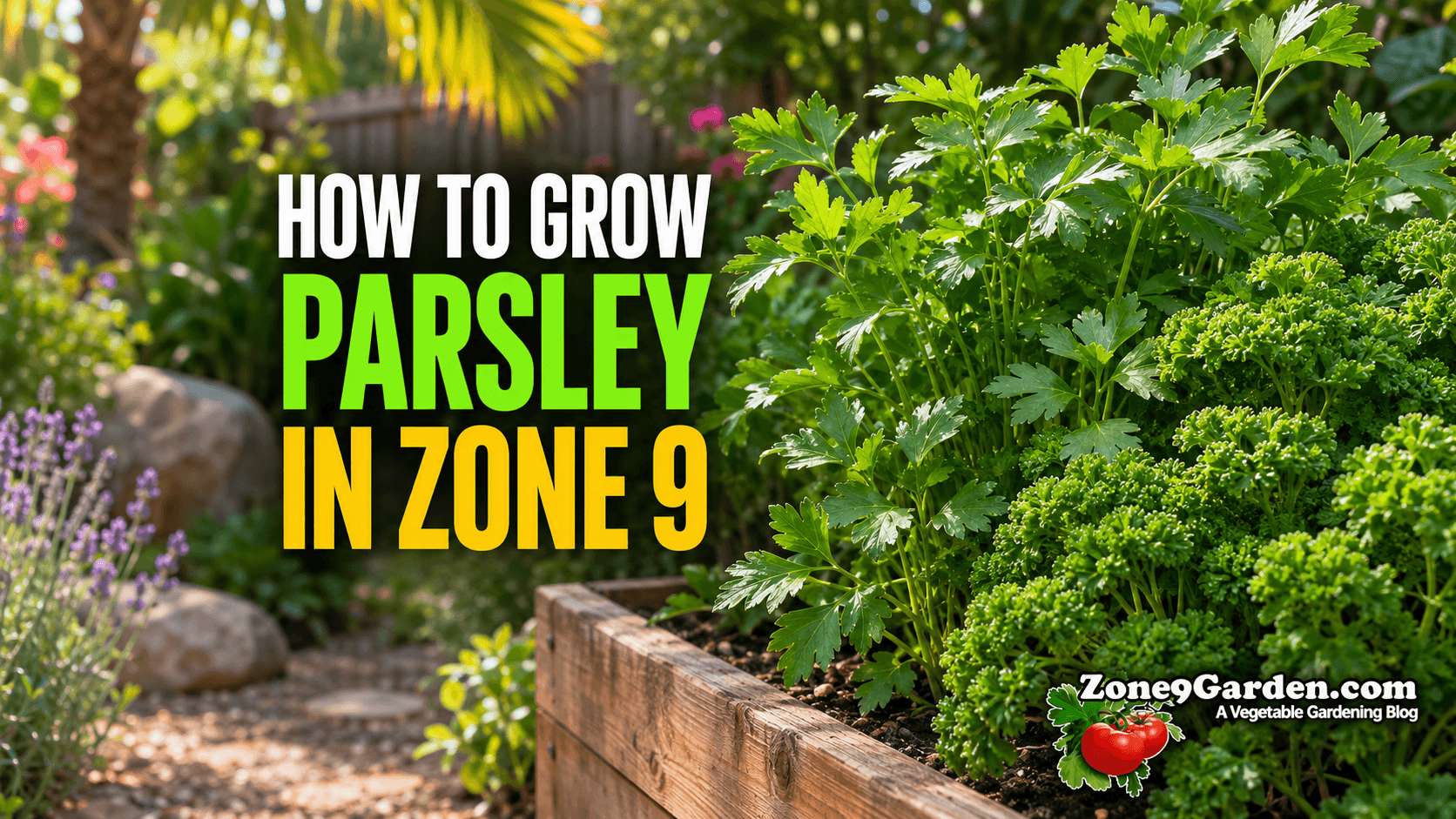
A few parsley plants can turn an ordinary garden bed into a dependable source of fresh flavor. Snip a handful for dinner, leave the younger growth intact, and the same plants can keep producing through much of Zone 9’s cooler growing season. Whether you prefer broad Italian leaves or tightly curled foliage, parsley earns its space through repeated harvests.

The key is starting at the right time and understanding the plant’s pace. Parsley seeds can be slow to germinate, young seedlings need consistent moisture, and established plants naturally move toward flowering after winter. Planning around those habits produces better results than treating parsley as a summer herb that should grow indefinitely.
In many warm Zone 9 gardens, fall planting provides a productive stretch through winter and into spring. Other locations also offer useful late-winter and spring planting opportunities. Your local temperatures, sunlight, and planting method determine which schedule fits best.
This guide explains how to grow parsley in Zone 9 from seed or transplants, prepare the soil, manage watering and fertilizer, and harvest for continued production. You’ll also find container advice, pest identification, regional considerations, and a practical growing checklist.
Parsley at a Glance
Can Parsley Be Grown in Zone 9?
Parsley grows well in Zone 9 when its season and growing conditions suit the plant. It is particularly useful during cooler weather, when established plants can provide repeated cuttings for the kitchen.
Although parsley is a biennial, gardeners commonly grow it as an annual leaf crop. Its first phase emphasizes foliage. After sufficient winter chilling, it can move toward flowering as conditions change.
UF/IFAS recommends Florida’s cooler fall and winter months for planting and explains this seasonal pattern in its Parsley growing guide.
A few plants near the kitchen can supply regular small harvests. If you cook with parsley frequently, stagger additional plantings while conditions remain suitable so replacement plants are ready before older ones decline.
When to Plant Parsley in Zone 9
Fall planting is often the most productive starting point in warm Zone 9 gardens. Plants establish as summer heat eases, then grow through milder weather. Late-winter and spring plantings can also provide harvests, although the remaining cool season may be shorter.
The dates below are synthesized planning windows. Refine them with local Extension guidance, current temperatures, and the planting method you intend to use.
Use Regional Guidance to Choose Your Date
Florida gardeners can begin with UF/IFAS parsley guidance. Desert gardeners should consult the seasonal information in the University of Arizona’s Growing Herbs in Tucson. UC Marin Master Gardeners describe fall and early-spring opportunities in their Parsley reference.
Pair your herb planting with our Fall Planting Guide or Winter Planting Guide. For individual winter months, see the December Guide and January Guide.
Choosing Parsley Varieties
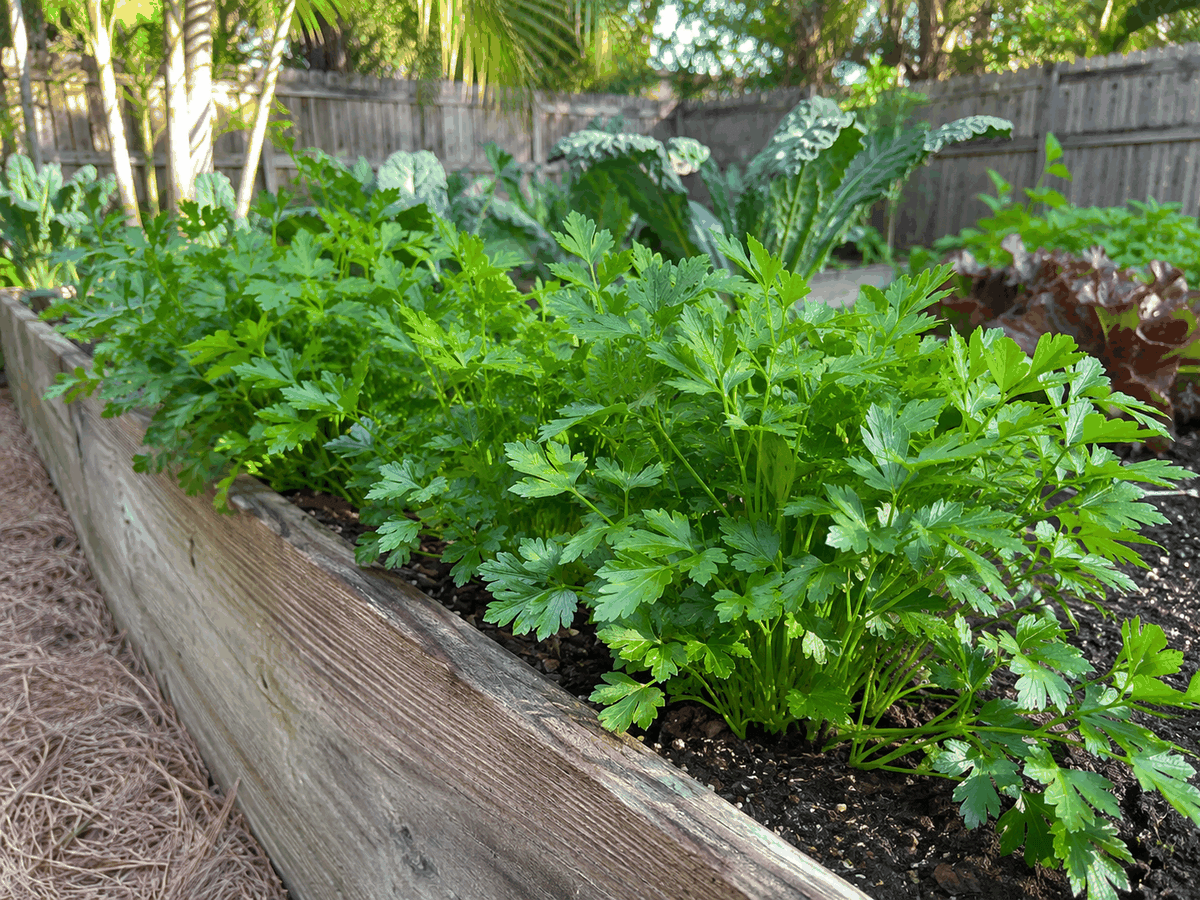
Choose parsley according to how you want to use it. Flat-leaf types are popular for cooking, curly types provide decorative foliage, and root parsley is a different harvest choice grown for its edible root as well as its leaves.
Choose a named cultivar when comparing results between seasons. The UC Marin parsley reference includes Darki Moss and Giant of Italy, while Texas A&M lists additional options in its parsley production guide.
Prepare Your Garden for Parsley
Choose a location with good light, convenient watering, and easy access for harvesting. Morning sun with some afternoon shade is useful where intense heat makes exposed plants difficult to maintain.
Parsley prefers fertile, well-drained soil rich in organic matter. A pH of approximately 6.0–7.0 is a useful target range, but use local soil-test recommendations before applying lime, sulfur, or major nutrient additions.
- Remove weeds before sowing the slow-germinating seed.
- Prepare a fine surface so shallow seeds remain in good contact with moist soil.
- Correct drainage problems before planting.
- Add finished compost where it benefits the existing soil.
- Leave room to reach outer stalks without trampling the bed.
For a complete seasonal bed-preparation routine, read Zone 9 Winter Garden Preparation.
Planting Neighbors and Crop Rotation
Plan neighboring crops around light, space, and watering needs. Tall plants can provide afternoon shade, but excessive shading can limit parsley growth. Keep access open for repeated harvesting.
Parsley, carrots, and celery belong to the same family. Consider that relationship when rotating crops, particularly where root pests or disease have been a problem. Related crops do not automatically need to be excluded from the same garden; the important decisions involve growing conditions and shared pest history.
How to Plant Parsley From Seed or Transplants
Starting Parsley From Seed
Use fresh seed and allow time for emergence. Parsley is often slower than nearby vegetables, so label the row and keep it moist instead of assuming the planting has failed after a few days.
- Prepare a fine seedbed or fill small containers with suitable seed-starting medium.
- Sow approximately ⅛–¼ inch deep, following packet instructions.
- Cover lightly and water gently.
- Keep the seed zone evenly moist without saturating it.
- Thin seedlings as they establish so the remaining plants have room to develop.
An overnight soak before sowing is an optional technique described by UF/IFAS. Sow soaked seed promptly into prepared, moist growing medium.
The UC ANR germination table lists 65–85°F as an optimum soil-temperature range for parsley. Germination near the biological minimum is much slower; that minimum is not a practical target for quick establishment.
Planting Parsley Transplants
Healthy transplants offer a convenient head start. Choose compact plants with sound roots and foliage rather than severely root-bound, wilted, or flowering specimens.
Acclimate seedlings grown under protection before planting outdoors. Set the root ball at approximately its previous growing depth, avoid burying the crown, and water thoroughly.
Parsley Planting Tips
- Use 6–8 inches as a compact planting starting point, with more room for vigorous mature plants.
- Keep mulch clear of emerging seedlings and plant crowns.
- Check the original transplant root ball while roots establish in surrounding soil.
- Where the local window remains open, sow or plant replacements every 3–4 weeks to stagger establishment.
Growing Parsley in Containers
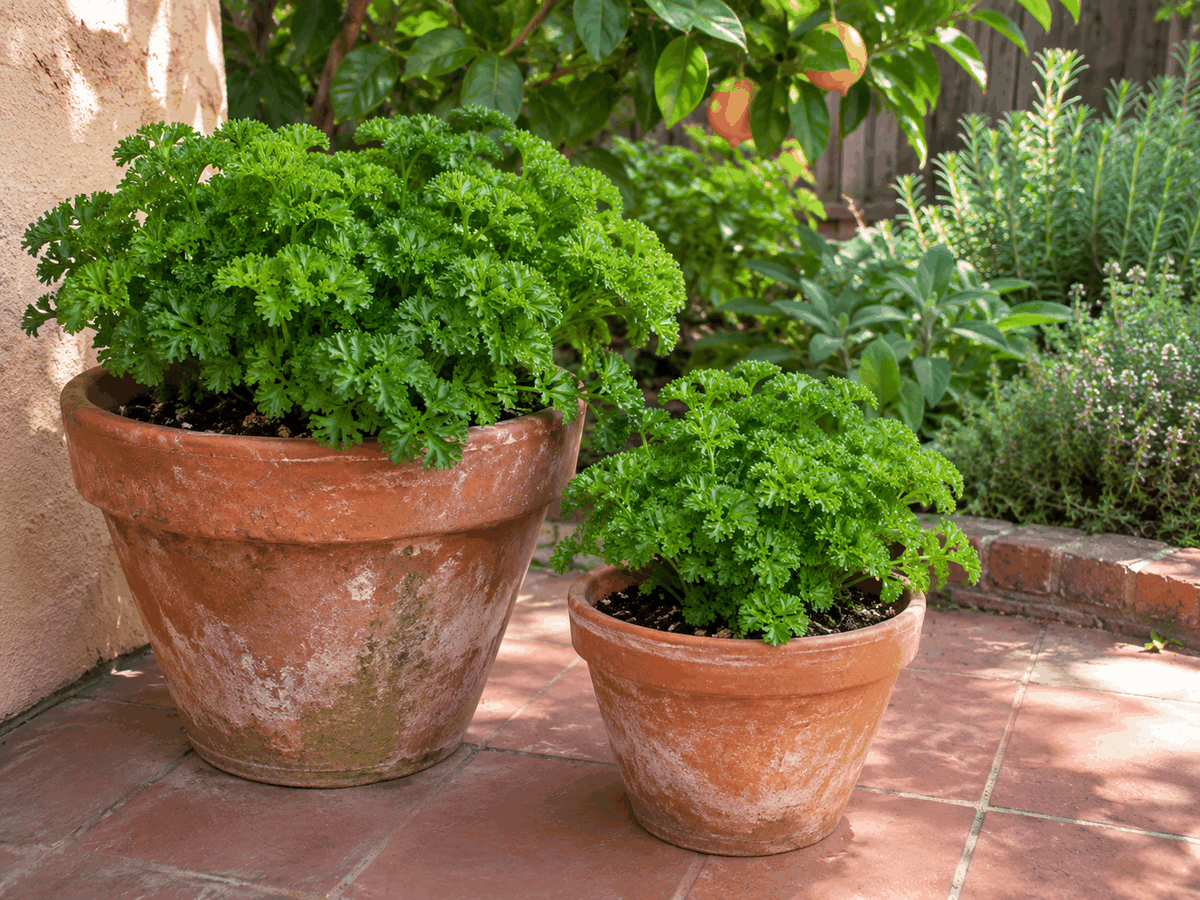
Parsley is useful in patio planters and pots near the kitchen. Choose a roomy container with unobstructed drainage holes and enough growing medium to support a mature plant without drying excessively between checks.
Use a quality container-growing mix rather than packing the pot with heavy garden soil. Space plants according to their mature size, and leave room below the rim for watering.
Place the container where it receives suitable light and move it to afternoon shade when heat becomes a problem. Water the root zone thoroughly when needed, allow excess water to drain, and avoid leaving the pot in standing water.
The University of Arizona explains container, exposure, and watering considerations for desert herbs in Growing Herbs in Tucson.
Watering Parsley for Healthy Leaf Growth
Keep parsley evenly moist during germination and establishment. Once plants are growing, water thoroughly enough to moisten the active root zone and avoid allowing it to dry completely.
Check soil moisture rather than watering on a fixed daily schedule. Rainfall, soil type, wind, temperature, and container size change how quickly the root zone dries.
- Seedbeds: Watch the shallow seed zone closely throughout the germination period.
- New transplants: Check the root ball as well as the surrounding bed.
- Established plants: Water the roots thoroughly when needed.
- Rainy weather: Reduce irrigation when the soil is already adequately moist.
- Hot or windy weather: Check exposed beds and containers more frequently.
A light, suitable mulch can conserve moisture and reduce weeds after plants establish. Keep it clear of the crown and avoid unnecessary overhead watering that leaves foliage wet for long periods.
Fertilizing Parsley
Parsley generally needs modest feeding in a fertile home-garden bed. Begin with suitable soil and appropriate amendments, then judge additional fertilizer by plant condition and local recommendations.
Review moisture, drainage, pests, and roots before treating pale or slow growth as a nutrient deficiency. Healthy plants do not need repeated fertilizer simply because another month has passed.
UC Marin Master Gardeners recommend compost at planting and again about two months later in their parsley growing reference. Adjust additions for your existing fertility and growing medium.
For help choosing a fertilizer, read NPK Explained and follow the product label.
Heat, Frost, and Parsley Bolting
Managing Warm Weather
Afternoon shade and consistent moisture can help parsley remain useful as temperatures rise. Check pots frequently, particularly when wind or reflected heat increases drying.
Light shade may extend a planting’s useful life, but it does not guarantee a summer-long harvest or prevent a mature biennial plant from flowering. Replace declining plants when their quality no longer meets your needs.
Preparing for Freezing Weather
Established parsley tolerates ordinary frost, but hard freezes can injure foliage. Young transplants, stressed plants, and exposed containers may need additional attention.
- Check the forecast for your garden’s location.
- Keep suitable frost cloth and supports available.
- Move vulnerable containers to shelter when practical.
- Assess the crown and new growth after cold weather before removing a damaged plant.
Why Parsley Sends Up a Flower Stalk
Flowering is part of parsley’s biennial life cycle. Winter chilling can prepare the plant to flower as temperatures and day length rise. Heat can coincide with declining leaf quality, but bolting is more than a simple response to one hot afternoon.
Texas A&M describes the relationship between prolonged cool exposure and later bolting in its parsley production guide.
Once a strong flower stalk develops, prepare replacement plants for future leaf harvests. You can leave selected flowering plants for pollinators or seed if that fits your garden, but removing stalks does not reliably reset the plant’s life cycle.
Common Parsley Pests
Inspect tender growth, leaf undersides, and the base of the plant regularly. Identify insects before treating, especially because parsley can also host butterfly caterpillars.
Parsley and Swallowtail Butterflies
Parsley is a host plant for swallowtail caterpillars. UF/IFAS highlights this connection in its parsley guide. Identify caterpillars before treating. Planting a little extra can make room for both kitchen harvests and butterfly visitors.
Parsley Diseases and Troubleshooting
Leaf Spots
Septoria, Stemphylium, and bacterial leaf spot can produce discolored lesions that reduce usable foliage. Spots may become tan or brown, merge into larger damaged areas, or develop distinctive margins.
Maintain spacing, reduce prolonged leaf wetness, and remove badly affected material where appropriate. Similar symptoms can have different causes, so obtain a diagnosis before selecting a treatment.
Powdery Mildew
White powdery growth on leaves or stalks can indicate powdery mildew. Inspect affected plants, improve growing conditions where possible, and use local crop-specific advice before treating edible foliage.
Virus Symptoms
Apium virus Y and other problems can cause discoloration or distortion, although some infections may show few symptoms. Aphids can transmit viruses, but treating aphids does not cure an infected plant.
Use the disease sections in the UC IPM cilantro and parsley guide and seek Extension assistance when symptoms are unfamiliar.
Why Is My Parsley Yellow or Growing Slowly?
Check watering, drainage, root condition, pests, crowding, and temperature before adding fertilizer. A few aging outer stalks can yellow naturally, while widespread yellowing or persistent wilting deserves closer inspection.
Why Haven’t My Seeds Sprouted?
Review seed freshness, moisture, depth, and soil temperature. Parsley can take several weeks to emerge. Avoid letting the shallow seed zone dry out or repeatedly disturbing it to check for roots.
How to Harvest Parsley for Continued Production
Begin harvesting when plants are established and have several well-developed outer stalks. Around 75 days from seed is a useful planning estimate, but plant size and vigor should determine how much you take.
- Select the largest usable outer stalks.
- Cut each selected stalk near its base with clean scissors or snips.
- Leave the central growing point and younger stalks intact.
- Avoid removing more than about one-third of the plant at once when maintaining a long harvest period.
- Allow fresh growth to develop before taking another substantial cutting.
Regular, moderate harvests keep useful foliage moving through the kitchen while preserving enough leaves for continued growth. Avoid stripping a small or stressed plant.
Storing the Harvest
Inspect cut stalks for insects and remove damaged material. Refrigerate fresh parsley and wash it thoroughly before use. Small harvests taken as needed usually provide the best kitchen quality.
For longer keeping, dry small bunches in a suitable dry, dark, ventilated location until completely dry, then store in a clean, airtight container. UC Marin provides harvest and storage advice in its parsley reference.
Regional Differences Across Zone 9
Parsley can grow in both Zone 9a and 9b, but a hardiness-zone label does not describe summer heat, rainfall, or planting dates. Use the USDA hardiness-map guidance as background information and regional recommendations for the growing schedule.
Florida and the Humid Southeast
Emphasize cool-season establishment, afternoon shade where helpful, and good drainage. Sandy beds can dry quickly, while prolonged rainfall can make extra irrigation unnecessary. Follow UF/IFAS parsley recommendations and inspect foliage during humid periods.
Texas and the Gulf Coast
Match establishment to county planting guidance and prepare for weather swings. Keep moisture consistent as temperatures rise, and expect overwintered plants to move toward flowering. Texas A&M’s parsley guide provides crop-specific growing information.
Arizona and the Desert Southwest
Use morning sun and suitable afternoon protection as heat becomes intense. Monitor containers and exposed beds during dry winds, and confirm drainage rather than assuming desert soil always drains freely. Consult Growing Herbs in Tucson for desert-specific advice.
California
Coastal locations may provide a longer mild growing period than hot interior or desert gardens. Adjust watering to rainfall, maintain adequate spacing, and use county guidance to refine fall and spring planting. The UC Marin parsley reference is a useful local example rather than a statewide calendar.
Parsley-Growing Checklist
- ☐ Choose flat-leaf, curly-leaf, or root parsley for your intended use.
- ☐ Confirm a locally suitable seed or transplant window.
- ☐ Prepare fertile soil or container mix with dependable drainage.
- ☐ Sow shallowly and label the planting date.
- ☐ Keep the seed zone moist and allow enough time for germination.
- ☐ Thin seedlings and leave room for mature foliage.
- ☐ Maintain moisture without prolonged waterlogging.
- ☐ Feed modestly only where soil and growth justify it.
- ☐ Identify caterpillars and other insects before treating.
- ☐ Harvest outer stalks while preserving the center.
- ☐ Prepare replacements as older plants approach flowering.
Frequently Asked Questions About Growing Parsley in Zone 9
When should I plant parsley in Zone 9?
Fall is often preferred in warm Zone 9 locations, with additional late-winter and spring opportunities where local conditions suit the crop. Use the planning table alongside regional Extension recommendations.
Is parsley an annual or a perennial?
Parsley is a biennial. It commonly produces leaves first, then flowers and sets seed after winter chilling. Gardeners often grow it as an annual leaf crop and replace it when flowering reduces its usefulness.
How long does parsley take to germinate?
Allow about 2–4 weeks. Fresh seed in favorable conditions may emerge sooner, while cool soil or inconsistent moisture can delay it. Keep the shallow seed zone moist and avoid disturbing it repeatedly.
Does parsley need full sun?
Parsley grows in full sun to partial shade. Good morning light with afternoon shade can be useful in hot Zone 9 locations. Avoid placing plants in deep shade that limits healthy growth.
Will parsley grow back after cutting?
Yes, if you harvest selected outer stalks and preserve the central growing point. Leave enough foliage for recovery instead of stripping the plant.
Can I grow parsley in a pot?
Yes. Use a roomy container with drainage holes and quality growing mix. Monitor moisture closely and move the pot to a more protected position when intense heat, wind, or cold threatens.
Why is my parsley flowering?
Flowering is part of its biennial life cycle. Winter chilling can prepare plants to flower as conditions change. Plan replacement plants rather than relying on fertilizer or repeated flower-stalk removal to restore an older planting.
Can parsley survive frost?
Established parsley tolerates ordinary frost, but severe or prolonged freezes can injure foliage. Young plants and exposed containers may need protection according to the local forecast.
Final Thoughts
Parsley rewards a little patience at planting time with repeated kitchen harvests. Start in a suitable season, provide good drainage and steady moisture, and give seedlings time to establish.
Harvest outer stalks regularly, preserve the center, and prepare replacements before older plants finish their leafy phase. A small, well-managed planting can supply fresh parsley through much of Zone 9’s cool season.
Research Behind This Guide
These Extension and USDA resources support the growing principles and regional context in this guide. Apply planting recommendations to the location and growing method each source describes.
Plant a little. Pick fresh often.
Zone9Garden.com · Grow with the seasons.