
Archive for the 'How To' Category

One of the most common causes of seedling death is inconsistent watering. A simple solution for that is to build a Self-Watering Seedling Container.
Items Needed
- 20 oz water bottle (soda bottle will work just as well)
- Razor Blade
- Drill and Drill Bit
Instructions (Photographs bellow)
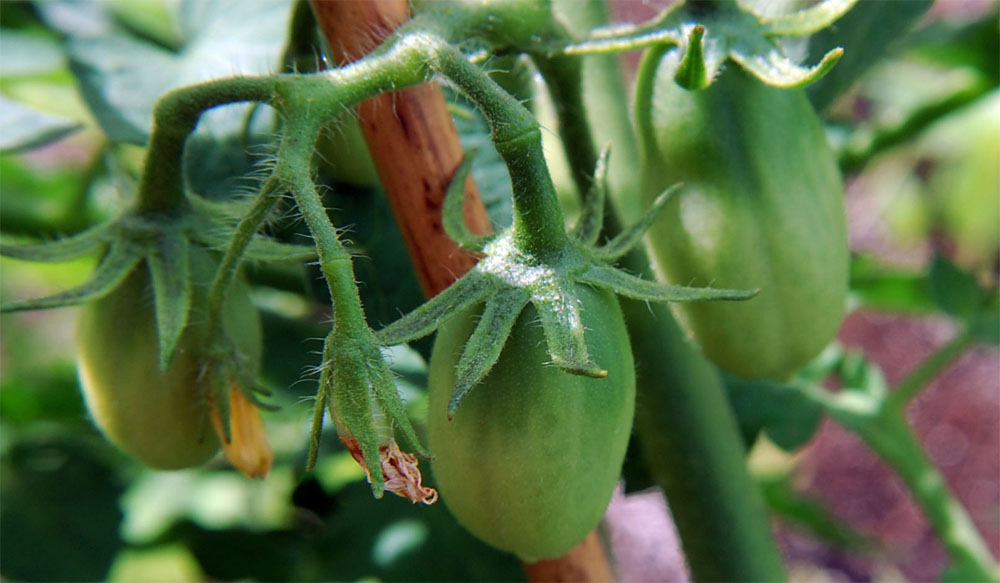
Roma Tomatoes are one of the absolute best tomatoes for making sauces and are also great for slicing and using in a caprici salad. As with most tomatoes they will grow very well here in Zone 9 and here are a few easy steps to get them growing well!
See Full Guide
A friend of mine gave me 3 cuttings from a Natchez Blackberry. This verity of blackberry was developed by The University of Arkansas to be hardy in the southern zones, including zone 9.
After receiving the cuttings I dipped them in rooting hormone and put them into a mixture of peat and pearlite. Surprisingly it only took about two weeks for the cuttings to root. Right after the cuttings put out roots about 50% of the length of the cutting I planted the new Natchez Blackberry plants into small containers, and this is where they are now. I am going to wait until they develop a strong root system before planting them outside!

Lettuce is a staple in gardens all around the country. With delicious verities that range from romaine lettuce to bibb lettuce that are all easy and quick to grow it is easy to see why lettuce is so popular. Lettuce naturally has a small, shallow root system. This makes the plant an ideal candidate for being grown in a container.
Here is how it is done:
See Full Guide
Much of the soil that is found in Zone 9 is quite sandy. Sandy soil does not hold nutrients or water well making it a poor substrate for growing most vegetables. Amending the soil in the area of the garden can help create a happy and healthy garden.
One of the biggest issues with sandy soil is that it will not hold any nutrients. When water hits the sand it washes any nutrients out quickly. Adding organic matter to the soil will not only help with nutrient retention but it will also add nutrients its self.
See Full Guide
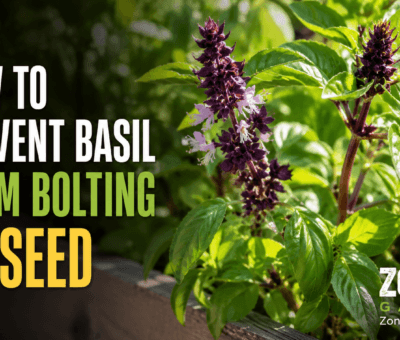
Durring the heat of the summer Basil will continually attempt to bolt to seed. Once seeds have developed the flavor of the leaves diminishes greatly. Here is how to prevent it.
At first sign of flowering (see picture) cut the stems one-inch bellow flower bud and continue to do so at first sign of any flowering.
Harvest 1/3 of each stem and dry harvested portion (or use fresh) at least 3 times during the summer, or as often as needed.
Harvest the plant the leaves of the basil plant frequently to prevent flowering. Frequent harvesting also encourages rapid growth.
See Full Guide
Cowpeas (Black Eyed Peas) are a great vegetable to grow in a container. They develop a fairly small root system compared to the plant size and the roots tend to run shallow. Here is a step-by-step guide to growing cowpeas in a container.
Fill a medium container (3-5 gallons) to near the top with a high quality potting mix and water the mix until it is uniformly damp.
Sow 2-3 seeds per container about 4-6” apart planting each seed 1” deep. Maintain soil mosture until the seeds germinate.
After germination thin seedlings to 1 per container. Choose the largest and strongest looking seedling and remove all others.
See Full Guide
Cowpeas, also known as Black Eyed Peas, are one of the oldest grain crops known to man. They are easy to grow and can be used in many different ways, fresh, dried, powdered for flower and much more. Cowpeas are not a cold hearty plant, but they are very heat tolerant. Originally coming from the hot climates of Africa, Cowpeas make an excellent summer crop.
See Full Guide
Green Beans are a favorite crop to grow in almost any vegetable garden. They are easy to germinate, easy to grow, and taste great. Pole beans can be easily grown in a container as well. Here is a step-by-step how to:
1. Fill large container 80% full with high quality soil.
2. Wet soil until all soil is damp
3. Sow each seed 5-8” apart
4. After germination put bamboo stakes (or other material) stakes inside container
See Full Guide
Bell Peppers are often said to be an annual plant (a plant that can only live one year), and because of this it is rare to hear of these plants being propagated from cuttings. But here in zone 9, and a few other warm weather climates Bell Pepper plants are perennial and can live many years.
A long-lived plant that produces well is a great plant to propagate using a cutting. The plant that grows from the cutting will be a clone of the parent plant and will produce and grow in a similar fashion.
See Full Guide
|