
Last Updated on November 19, 2026
Winter is one of the best seasons for growing vegetables in USDA Hardiness Zone 9. Broccoli, cabbage, lettuce, kale, spinach, carrots, and other cool-season crops often thrive when summer heat finally disappears. Unfortunately, cooler weather does not mean garden pests disappear with it.

Zone 9 winter vegetable pests can remain active throughout December, January, and February, particularly during mild weather. Cabbageworms may chew through broccoli leaves, aphids can form large colonies inside developing cabbage heads, and slugs may damage tender lettuce seedlings. In warmer areas, diamondback moth caterpillars, leafminers, and whiteflies can also remain troublesome.
The good news is that most winter pest problems can be managed successfully when they are discovered early. Regular inspections, healthy growing conditions, insect-exclusion netting, hand removal, beneficial insects, and carefully selected treatments can protect your vegetables without unnecessary pesticide applications. The important first step is identifying exactly what is damaging your plants.
This guide explains how to identify the most common winter vegetable pests in Zone 9, recognize their damage, prevent infestations, and choose appropriate treatments. It also covers crop-specific problems, pest activity throughout winter, beneficial insects, and differences between Zone 9a and 9b. Whether your garden is in Florida, Texas, Arizona, or California, you’ll learn how to protect your cool-season vegetables and keep your winter harvest productive.
What to Expect in This How To
Zone 9 Winter Vegetable Pests at a Glance
Different garden pests create different kinds of damage. Some chew holes through leaves, while others feed on plant sap, tunnel inside foliage, or attack seedlings at the soil line.
Use the following quick-reference chart to narrow down which pest may be responsible before choosing a treatment.
Important: Pest activity varies by location, temperature, and weather. This table identifies pests that may affect winter crops; it does not mean every pest will be present throughout winter in every Zone 9 garden.
Why Do Vegetable Pests Survive Winter in Zone 9?
Zone 9 has relatively mild winters compared with colder regions of the United States. Although occasional freezes occur, many areas experience extended periods of weather warm enough for insect feeding and reproduction.
The USDA Plant Hardiness Zone Map defines Zone 9 by average annual extreme minimum temperatures rather than the number of warm days each winter. That distinction is important because pest development is influenced by actual temperatures, host plants, and seasonal weather.
Winter pest activity is also supported by the continuous availability of vegetables. Broccoli, cabbage, collards, lettuce, kale, spinach, and other cool-season crops can provide food for insects throughout much of the winter.
Some pests move from weeds or older vegetable plantings into newly established beds. Others survive in protected locations such as crop debris, soil, or the undersides of leaves.
Several factors make winter pest management particularly important:
- Mild temperatures: Many insects can continue feeding and reproducing during warm winter periods.
- Continuous planting: Successive vegetable crops can provide a steady food supply.
- Winter weeds: Certain weeds provide alternate hosts for aphids and caterpillars.
- Protected locations: Mulch, plant debris, and dense foliage can shelter pests.
- Warm spells: Sudden temperature increases may allow insect populations to become more active.
- Wet conditions: Moist gardens can favor slugs, snails, and some plant diseases.
Florida research provides a particularly important example. UF/IFAS reports that diamondback moth can be most abundant on cabbage during winter in southern Florida, including December through February or March.
For a broader explanation of crops growing during this period, visit our Zone 9 Winter Planting Guide.
Do not stop checking for pests simply because the weather becomes cooler. Inspect vegetable beds throughout winter, especially following mild weather or when new growth appears.
How to Identify the Most Common Winter Vegetable Pests
Many winter pest problems produce similar-looking leaf damage. Identifying the insect, its life stage, and where it is feeding helps determine whether treatment is necessary.
1. Imported Cabbageworms
Imported cabbageworms are among the most recognizable pests of broccoli, cabbage, cauliflower, kale, and collards.
The adult is a white butterfly with dark markings on its wings. Females lay eggs on brassica leaves, where the developing caterpillars begin feeding.
Imported cabbageworm larvae are green, slightly hairy, and often have a velvety appearance.
Common symptoms:
- Irregular holes in outer leaves.
- Feeding near the center of developing plants.
- Green or brown caterpillar droppings.
- Damage inside cabbage or broccoli heads.
Treatment: Inspect the undersides of leaves and handpick caterpillars when populations are small. Fine insect-exclusion netting can prevent butterflies from laying additional eggs when installed correctly.
Where treatment is necessary, a product containing Bacillus thuringiensis subsp. kurstaki (Bt or Btk) may be effective against young, actively feeding caterpillars, provided the product is labeled for the crop and pest.
Bt is not a general-purpose insecticide. It must be eaten by susceptible caterpillars and does not control aphids or slugs.
Reference: UC IPM Imported Cabbageworm.
2. Cabbage Loopers
Cabbage loopers are green caterpillars that move by arching the middle of their bodies into a loop.
Unlike imported cabbageworms, loopers can feed on a wider variety of vegetables, including lettuce and spinach as well as brassicas.
Young loopers often feed on the lower leaf surface, while larger caterpillars chew noticeable holes through leaves.
Common symptoms:
- Irregular holes in leaves.
- Thin, partially eaten leaf tissue.
- Green caterpillars that arch while moving.
- Droppings near feeding areas.
Treatment: Handpick visible caterpillars and inspect nearby leaves for additional larvae.
Insect-exclusion netting is effective for preventing new egg laying when the bed is covered before insects become established.
Where needed, an appropriate Bt product can control young caterpillars. Thoroughly inspect the crop before treatment and follow all label directions.
Preserving natural enemies is also important. Avoid unnecessary broad-spectrum sprays that may kill insects already helping control caterpillar populations.
3. Diamondback Moth Caterpillars
Diamondback moth, Plutella xylostella, is a significant pest of cabbage-family vegetables.
The caterpillars are smaller and more slender than imported cabbageworms. When disturbed, they may move rapidly or drop from the plant on a silk thread.
Young larvae often feed on leaf tissue while leaving a thin outer layer intact. This creates small translucent patches sometimes called windowpane damage.
Common symptoms:
- Small holes scattered across brassica leaves.
- Thin or transparent areas of damaged leaf tissue.
- Small green caterpillars near growing points.
- Damage to young cabbage and broccoli foliage.
Treatment: Monitor plants regularly, particularly new growth and the undersides of leaves. Hand removal and well-installed insect netting can help protect small home gardens.
Bt products may help where the local population is susceptible, but diamondback moth has developed resistance to multiple insecticides, including Bt in some areas.
Do not repeatedly apply the same ineffective product. For persistent infestations, consult local Extension guidance and rotate insecticide modes of action when chemical control is necessary and appropriate.
Reference: UC IPM Diamondback Moth Management.
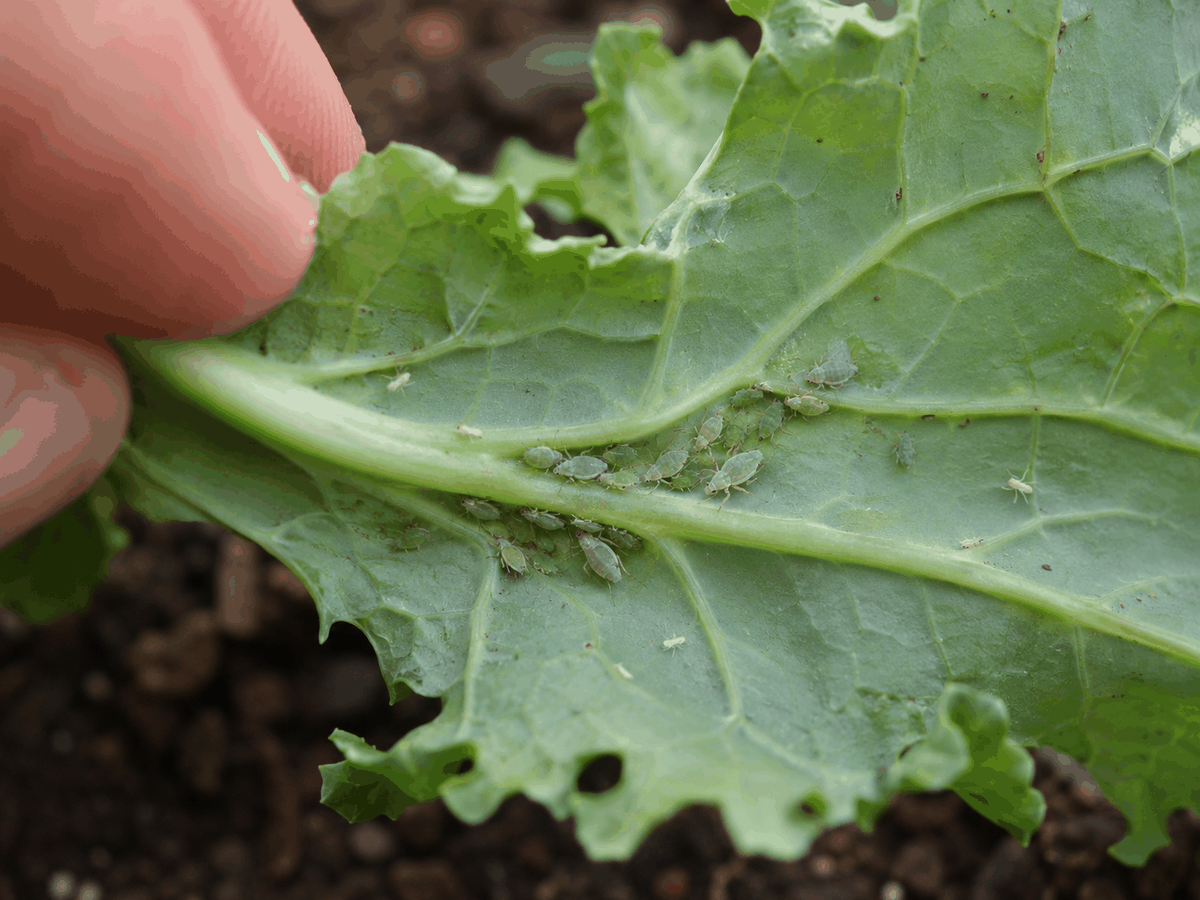
4. Aphids
Aphids are small, soft-bodied insects that feed by extracting sap from plants.
Several species attack Zone 9 winter vegetables. Cabbage aphids are especially important on broccoli, cabbage, cauliflower, kale, collards, mustard greens, and related crops.
Cabbage aphids are often grayish-green with a waxy appearance. Other aphid species may be green, yellow, black, or another color.
Common symptoms:
- Clusters of insects on new leaves.
- Curled or distorted foliage.
- Sticky honeydew on leaves.
- Reduced growth during heavy infestations.
- Insects hidden inside developing vegetable heads.
Treatment: First determine whether natural predators are already controlling the infestation. Lady beetles, lacewing larvae, hoverfly larvae, and parasitoid wasps can suppress aphid populations.
Small colonies can sometimes be removed by hand or dislodged with a gentle stream of water on sturdy plants.
Where necessary, use an insecticidal soap labeled for the vegetable crop. Good contact with the insects is important, and additional applications may be required according to the label.
Avoid spraying during freezing weather or when the product label warns about temperature-related plant injury.
Important: Bt products used for caterpillars do not kill aphids.
Reference: UF/IFAS Cabbage Aphid Identification and Management.
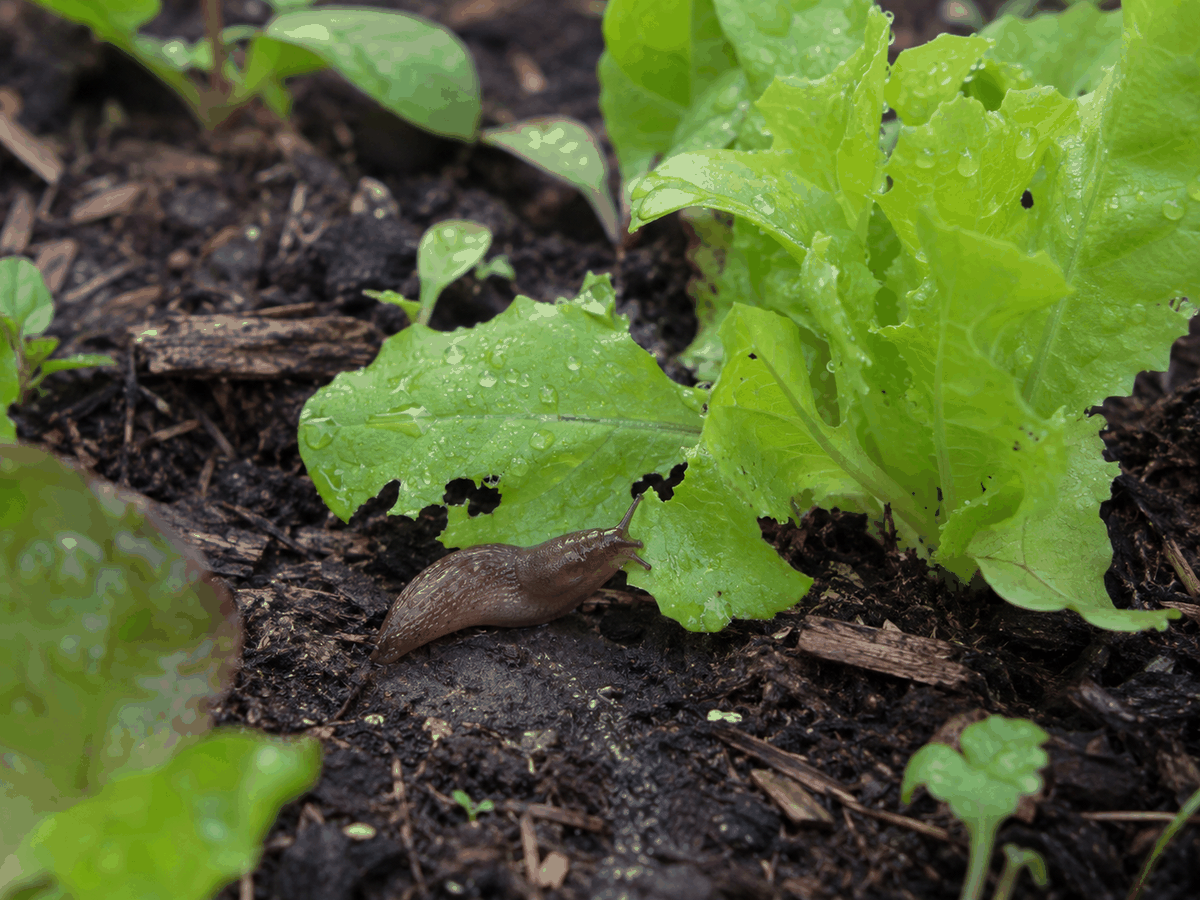
5. Slugs and Snails
Slugs and snails can damage lettuce, spinach, cabbage seedlings, and other tender vegetables during damp winter weather.
They are often active at night or during cloudy, moist conditions. During sunny weather they hide beneath mulch, boards, pots, and other protected surfaces.
Common symptoms:
- Irregular holes with relatively smooth edges.
- Missing portions of young leaves.
- Damaged seedlings near the soil surface.
- Silvery slime trails on leaves or soil.
Treatment: Inspect the garden after dark or early in the morning. Handpick slugs and snails and remove excess hiding places.
Reduce unnecessary surface moisture without allowing vegetable roots to dry out. Raised beds, appropriate irrigation, and managing dense plant debris may help.
If bait is needed, iron phosphate products labeled for vegetable gardens are one option. Follow the label carefully and scatter bait only as directed.
UC IPM warns that metaldehyde slug baits can be poisonous to dogs and birds. Avoid using these products where animals may encounter them.
Reference: UC IPM Snails and Slugs.
6. Vegetable Leafminers
Leafminers are larvae of small flies that feed between the upper and lower surfaces of leaves.
They produce distinctive winding trails or mines that may appear white, tan, or translucent.
Leafminers can affect spinach, Swiss chard, lettuce, peas, and several other vegetables.
Common symptoms:
- Winding pale trails inside leaves.
- Small white feeding punctures.
- Damaged or discolored leaf tissue.
- Reduced marketable leaf quality.
Treatment: On mature vegetables, minor leafminer damage is often cosmetic and may not require treatment.
Remove heavily affected leaves when practical. Fine-mesh exclusion netting can protect new plantings when installed before adult flies reach the crop.
Natural enemies, particularly small parasitoid wasps, frequently contribute to leafminer control. Broad-spectrum insecticides can disrupt those beneficial insects and sometimes make leafminer problems worse.
Because the larvae feed inside the leaves, ordinary contact sprays are often ineffective.
Reference: UC IPM Vegetable Leafminers.
7. Whiteflies
Whiteflies are tiny, white-winged insects that often gather on the undersides of leaves.
When disturbed, adults may fly upward in a small cloud. Immature stages remain attached to leaf surfaces.
Whiteflies are more likely to remain active during mild winter conditions and can be particularly troublesome in warmer southern gardens or protected growing spaces.
Common symptoms:
- Small white insects beneath leaves.
- Yellowing or weakened foliage.
- Sticky honeydew.
- Black sooty mold growing on honeydew.
- Occasional virus transmission by certain species.
Treatment: Inspect leaf undersides, remove heavily infested plant material when practical, and avoid allowing old infested crops to remain beside new plantings.
Preserve beneficial insects and choose targeted, labeled treatments if populations are damaging the crop.
Insecticidal soap may help with exposed life stages when properly applied, but repeated or broad-spectrum spraying is not a substitute for identifying and managing the source of an infestation.
8. Cutworms
Cutworms are caterpillars that commonly hide in soil or debris during the day and feed at night.
Some species chew through young seedling stems at or near the soil surface.
Common symptoms:
- Seedlings cut off near ground level.
- Small plants suddenly lying on the soil.
- Caterpillars curled in the top layer of soil.
Treatment: Search the soil near damaged seedlings, especially after dark. Remove caterpillars when found.
Protect new transplants with simple cardboard or similar collars around the stems. Remove weeds and excess plant debris before planting.
The University of Arizona Cooperative Extension specifically recommends physical collars for protecting young seedlings from cutworm damage.
9. Flea Beetles and Thrips
Flea beetles create many small holes that resemble damage from tiny pellets. They can injure young brassicas and other vulnerable seedlings.
Thrips are small, slender insects that may cause silvery streaks, leaf distortion, or damage to developing foliage.
Both pests require correct identification because damage can resemble nutritional or environmental problems.
Fine insect-exclusion netting, healthy seedlings, and regular inspection can help prevent significant damage.
Remove weeds that may serve as alternate hosts, and avoid treating minor cosmetic injury when plants remain healthy and productive.
Which Winter Vegetable Crops Are Most Vulnerable to Pests?
The most common pests depend partly on which vegetables you are growing.
Brassicas generally face substantial caterpillar pressure, while leafy greens can be affected by aphids, loopers, leafminers, and slugs. Onions and garlic have their own pest concerns, including thrips.
Protecting Broccoli, Cabbage, and Cauliflower
Brassicas deserve especially close attention because several caterpillar species can feed on the same crop.
Inspect the undersides of leaves, then check developing heads and growing points. Caterpillars become harder to remove after they move into tightly formed heads.
Preventing infestation with insect netting is often easier than treating a large infestation after damage begins.
Protecting Lettuce and Spinach
Leafy vegetables are frequently harvested directly for eating, making pest contamination and leaf quality especially important.
Inspect for aphids hidden in inner leaves, slugs near the soil, and leafminer trails.
Minor damage on outer leaves may be manageable, but heavily contaminated or damaged produce should be assessed carefully before harvesting.
Protecting Onions and Garlic
Onions and garlic generally face fewer problems from the cabbage-feeding caterpillars discussed above, but thrips and certain other pests can still reduce plant vigor.
Inspect the narrow leaves, particularly folds and protected areas near the base of the plant.
For more crop-specific information, visit our Zone 9 Crop Profiles.
How to Identify Winter Pest Damage on Vegetable Leaves
Sometimes the damage is obvious long before you find the insect responsible.
Learning to recognize common feeding patterns makes it easier to decide where to search.
Large, Irregular Holes
Look for caterpillars, slugs, or snails. Check leaf undersides, growing points, and soil-level hiding places.
Caterpillar droppings suggest insect feeding, while slime trails may indicate slugs or snails.
Tiny Shot Holes
Small, nearly round holes may indicate flea beetle feeding, especially on young plants.
Inspect leaves for tiny jumping beetles and examine nearby weeds that could support the pest.
Curled Leaves and Sticky Residue
Check for aphids and whiteflies. Both can produce honeydew, although other problems may also cause leaf distortion.
Look closely at new growth and the undersides of leaves.
Winding White Trails
These are characteristic of leafminer feeding inside leaves.
Because the larvae are protected within the leaf tissue, spraying the outside of the plant may not control the problem.
Seedlings Cut Off at the Soil Line
Cutworms are one possible cause. Search near the base of the plant and just beneath the soil surface.
Also consider physical damage, disease, or animal activity before assuming a pest is responsible.
Zone 9 Winter Pest Activity: December Through February
Pest activity changes throughout winter, but the pattern depends more on local weather and available host plants than on the calendar alone.
The following monthly guide provides practical scouting priorities, not predicted infestation dates.
December: Protect Newly Established Crops
December is often an active planting and establishment period for winter vegetables.
New broccoli, cabbage, lettuce, and leafy greens can be vulnerable to insects already present in surrounding beds or weeds.
Inspect transplants before planting and cover susceptible crops before adult insects can lay eggs.
January: Monitor Developing Heads
January is an important month for checking broccoli and cabbage heads.
Cabbage aphids may gather in protected growing points, and caterpillars can move into developing heads where they become difficult to remove.
Check mature plantings more closely as harvest approaches.
February: Watch Changing Temperatures
February is a transition month in many Zone 9 gardens.
As temperatures rise, some insect populations may become more active. Newly planted vegetables can also introduce fresh, tender growth that attracts pests.
Continue checking the garden during warm periods, especially after several mild days.
For planting decisions during these months, see our Zone 9 Planting Calendar.
How to Inspect Your Winter Vegetable Garden for Pests
A regular inspection routine is one of the simplest and most effective ways to prevent minor insect problems from becoming major infestations.
Check your vegetable garden at least once or twice each week, and more often when vulnerable seedlings are establishing or pest activity is increasing.
Step 1: Begin With the Most Vulnerable Crops
Start with broccoli, cabbage, cauliflower, kale, collards, lettuce, and other vegetables with a history of pest problems.
Young seedlings and plants approaching harvest deserve particular attention.
Step 2: Inspect the Undersides of Leaves
Many pests prefer sheltered leaf surfaces.
Turn leaves over and look for eggs, small caterpillars, aphid colonies, whitefly immature stages, or unusual feeding damage.
Check several plants from different parts of the bed rather than examining only the first plant you see.
Step 3: Check Growing Points and Developing Heads
Aphids and caterpillars can hide deep inside developing cabbage, broccoli, and cauliflower.
Inspect the central leaves and growing points without unnecessarily damaging the crop.
Step 4: Examine the Soil Surface
Look for slug trails, cutworms, damaged seedlings, and excess moisture.
Move aside loose debris temporarily to inspect sheltered areas, then restore appropriate mulch without burying plant crowns.
Step 5: Identify the Pest Before Treatment
Use visible insects, eggs, droppings, feeding patterns, and the affected vegetable crop to narrow down the cause.
A close photograph can help when comparing the insect with university Extension identification guides.
Step 6: Decide Whether Action Is Necessary
Not every insect requires treatment.
A healthy mature plant may tolerate small amounts of leaf feeding without meaningful harvest loss. However, the same damage on a tiny transplant or inside a developing cabbage head may require attention.
Consider the number of pests, plant condition, crop stage, and likely effect on the harvest.
Step 7: Record and Recheck
Record the crop, pest, visible damage, and action taken.
Inspect the area again within a few days to determine whether the problem is improving.
Repeated observations make future pest management decisions easier and help reveal seasonal patterns in your own garden.
How to Prevent Winter Vegetable Pest Problems in Zone 9
Preventing insects from becoming established is often easier than treating a large infestation.
Integrated pest management combines prevention, monitoring, biological control, physical barriers, and targeted treatment when necessary.
Start With Healthy Plants
Inspect nursery transplants before bringing them into your garden.
Look beneath leaves for insects, eggs, distorted growth, and visible disease symptoms.
Do not introduce heavily infested plants into a healthy garden bed.
Use Insect-Exclusion Netting
Fine-mesh insect netting can prevent adult cabbage butterflies, moths, leafminer flies, and other pests from reaching susceptible vegetables.
Install the netting promptly after planting, or before pests have access to the crop.
Support the material with hoops where appropriate and secure the edges to prevent insects from entering.
Check beneath the covering regularly. Netting can also trap pests inside if the plants were already infested.
Insect-exclusion mesh and frost cloth serve different purposes. Mesh does not necessarily provide meaningful freeze protection.
Remove Weeds and Old Crop Debris
Weeds and old vegetable plants may support pest populations between plantings.
Remove spent crops promptly and manage weeds near garden beds, especially volunteer brassicas and wild mustard that can serve as hosts for cabbage pests.
Avoid leaving heavily infested material beside new plantings.
Rotate Vegetable Families
When practical, avoid growing broccoli, cabbage, cauliflower, kale, and related brassicas in the same bed continuously.
Crop rotation can help disrupt certain pest and disease cycles, especially when combined with sanitation and appropriate planting schedules.
However, highly mobile insects can still move into new beds, so rotation does not guarantee freedom from pests.
Maintain Proper Spacing
Overcrowded vegetables are difficult to inspect and may retain moisture for longer periods.
Allow adequate spacing for mature leaves, airflow, watering, and harvesting.
Water Appropriately
Winter vegetables generally need consistent moisture, but watering requirements vary with rainfall, soil type, temperature, and plant growth.
Wet soil surfaces and dense debris can favor slugs and snails. Prolonged leaf wetness can also encourage certain plant diseases.
Check the root zone rather than watering automatically each day. Use drip irrigation or another suitable method to reduce unnecessary wetting of foliage.
Fertilize Based on Crop Needs
Healthy plants can often tolerate some minor pest feeding better than weak, stressed plants.
Use soil-test recommendations and crop-specific guidance when fertilizing. Avoid excessive nitrogen applications that create unusually lush, tender growth.
Fertilizer does not directly eliminate pests, and overfertilizing cannot repair leaves already damaged by insects.
Best Treatment Methods for Zone 9 Winter Vegetable Pests
The best treatment depends on the pest, the amount of damage, and the vegetable being grown.
Whenever possible, begin with the most targeted approach that is likely to work.
Using Bt for Caterpillar Control
Products containing an appropriate strain of Bacillus thuringiensis can be effective against susceptible caterpillars, particularly when they are young and actively feeding.
Bt works after the caterpillar consumes treated plant material.
It is not an effective treatment for aphids, leafminers inside leaves, slugs, or snails.
For diamondback moth, repeated use of the same treatment can contribute to resistance problems. Follow local Extension recommendations when managing persistent infestations.
Using Insecticidal Soap
Insecticidal soaps can help control exposed soft-bodied pests such as aphids when applied correctly.
Use a product specifically labeled for use on the vegetable you are treating.
Do not substitute ordinary household dish detergent for a formulated insecticidal soap. Household cleaning products can damage plants.
Read the label for application rates, temperature restrictions, plant sensitivity, and any required intervals before harvest.
Using Other Insecticides
Some infestations may require additional treatment, but the product must be selected for the identified pest and edible crop.
For example, spinosad products are sometimes used against certain caterpillars and other insects, but formulations and legal uses vary.
Spinosad can harm bees when they contact residues during or shortly after application. Follow all pollinator precautions and never assume that an organic-approved pesticide is harmless to beneficial insects.
Always follow the product label, including application restrictions, protective equipment requirements, reentry intervals, and preharvest intervals.
Identify the pest first, decide whether treatment is necessary, and use the least disruptive effective option. A pesticide should be used only when its label permits application to the specific edible crop and target pest.
Beneficial Insects That Help Protect Your Winter Vegetable Garden
Not every insect living among your vegetables is a pest.
Some insects feed on pests or parasitize them, reducing their populations naturally.
Recognizing beneficial insects helps you avoid unnecessary treatments that could make future pest problems worse.
Lady Beetles
Many lady beetle species feed on aphids and other small insects.
Both adults and larvae may contribute to pest control. Lady beetle larvae often look quite different from the familiar rounded adults, so learn to recognize them before removing insects from the garden.
Lacewings
Lacewing larvae are predators of aphids and other soft-bodied pests.
They can be valuable in gardens with recurring aphid problems.
Hoverflies
Adult hoverflies often visit flowers for nectar and pollen.
Larvae of many species feed on aphids, making them useful natural enemies in vegetable gardens.
Parasitoid Wasps
Many small parasitoid wasps attack aphids, caterpillars, or leafminer larvae.
They are often difficult to notice, but their activity can help suppress pest populations.
Supporting Natural Enemies
To encourage beneficial insects:
- Maintain suitable flowering plants that provide nectar and pollen.
- Avoid unnecessary broad-spectrum pesticide applications.
- Provide a diverse garden with appropriate habitat.
- Monitor pest populations before deciding to spray.
- Use selective treatments when intervention is necessary.
Flowering cilantro, dill, and suitable insectary plants may provide useful resources during the cool season.
However, companion planting does not guarantee pest control. The effectiveness of natural enemies depends on the species involved, the local environment, and the pest population.
For more information about research-supported combinations, see our Zone 9 Crop Profiles and the UC IPM guide to insectary plants.
Winter Vegetable Pests vs. Plant Diseases and Frost Damage
Not every damaged vegetable has an insect problem.
Winter gardens can also experience disease, nutrient stress, poor drainage, and cold injury. Treating these conditions as insect infestations usually wastes time and may harm beneficial organisms.
Downy Mildew
Downy mildew can affect several leafy vegetables during cool or humid weather.
Symptoms may include yellow or pale leaf patches, discoloration, and fungal growth on the undersides of leaves.
Good airflow, appropriate spacing, resistant varieties where available, and reducing prolonged leaf wetness are important preventive measures.
Damping-Off
Damping-off can cause young seedlings to collapse near the soil line.
Unlike cutworm injury, damping-off is associated with pathogens and conditions that favor seedling disease.
Use clean containers and growing media, maintain drainage, and avoid overwatering.
Root Rot
Vegetables growing in saturated soil may develop weak roots, yellowing foliage, and wilting.
Improve drainage and avoid unnecessary irrigation rather than assuming every wilting plant has an insect infestation.
Frost Injury
Freezing weather may cause foliage to appear wilted, water-soaked, darkened, or collapsed.
This damage can sometimes resemble disease or pest injury.
Consider when symptoms first appeared. If damage developed immediately after freezing temperatures, investigate cold injury before choosing a pest treatment.
Our Zone 9 Frost Protection Guide explains how to protect vegetables and assess damage after a freeze.
Winter Vegetable Pests in Zone 9a vs. Zone 9b
The USDA divides Zone 9 into two subzones based on average annual extreme minimum winter temperatures.
Zone 9a has average annual extreme minimum temperatures of 20–25°F, while Zone 9b ranges from 25–30°F.
These temperature ranges do not predict insect populations directly, but colder weather can influence pest survival and activity.
A Florida Zone 9a garden may have more winter insect activity than a Zone 9b garden in a cooler, drier microclimate elsewhere.
Actual temperatures, rainfall, crop selection, nearby vegetation, and local pest populations are more useful than the hardiness-zone label alone.
Regional Winter Pest Differences Across Zone 9
Florida and the Humid Southeast
Florida’s mild winter growing conditions allow many vegetable insects to remain active throughout the cool season.
Broccoli, cabbage, cauliflower, kale, and collards may experience feeding from imported cabbageworms, cabbage loopers, and diamondback moth larvae.
UF/IFAS identifies diamondback moth as a particularly important cabbage pest in southern Florida during winter.
Humid weather can also create conditions favorable for slugs, snails, and certain foliar diseases.
Regional strategy: Inspect brassicas frequently, protect new transplants with netting, improve airflow, and monitor soil moisture to avoid overly wet beds.
Reference: UF/IFAS Cabbage Aphid Management.
Texas and the Gulf Coast
Texas Zone 9 gardeners often experience mild periods interrupted by cold fronts.
During suitable weather, aphids and caterpillars may remain active on fall and winter vegetables.
Cold weather may temporarily slow insect development, but pests can become active again during warmer periods.
Texas A&M AgriLife Extension emphasizes scouting, appropriate crop management, and careful selection of labeled products when treatment is necessary.
Regional strategy: Inspect crops following warm spells, maintain healthy plants, and use pest exclusion on vulnerable brassica transplants.
Reference: Texas A&M Managing Insect and Mite Pests in Vegetable Gardens.
Arizona and the Desert Southwest
Arizona’s desert gardens often experience large differences between daytime and nighttime temperatures.
Aphids, caterpillars, flea beetles, and other insects may affect vegetables when temperatures are favorable.
University of Arizona Cooperative Extension recommends combining good growing practices with pest identification, hand removal, physical barriers, and appropriately targeted treatments.
Dry conditions make irrigation management particularly important. However, excessive irrigation can still contribute to unhealthy roots and disease.
Regional strategy: Monitor aphids on tender growth, protect seedlings, and manage irrigation carefully.
Reference: University of Arizona Vegetable Pests Guide.
California
California Zone 9 gardens range from coastal-influenced areas to inland valleys with different winter conditions.
UC ANR provides detailed information on aphids, cabbageworms, diamondback moth, leafminers, and many other vegetable pests.
In mild locations, pests may remain active during winter. Colder inland conditions can temporarily reduce activity, but infestations may develop during suitable weather.
Regional strategy: Monitor crops regularly, encourage natural enemies, and use UC IPM identification guides to select appropriate control methods.
Reference: UC Integrated Pest Management.
Zone 9 Winter Vegetable Pest Prevention Checklist
Use this checklist throughout December, January, and February to keep pest problems from getting out of control.
Before Planting
- ☐ Choose healthy seeds and transplants.
- ☐ Remove old infested crops and weeds.
- ☐ Prepare well-drained soil.
- ☐ Plan proper plant spacing.
- ☐ Rotate crop families where practical.
- ☐ Install insect-exclusion netting where needed.
Weekly Garden Inspections
- ☐ Check broccoli and cabbage for caterpillars.
- ☐ Inspect new growth for aphids.
- ☐ Look beneath leaves for eggs and insects.
- ☐ Check lettuce and spinach for slugs.
- ☐ Look for leafminer trails.
- ☐ Inspect developing vegetable heads.
- ☐ Watch for beneficial insects.
When Pests Are Found
- ☐ Identify the pest correctly.
- ☐ Assess the severity of damage.
- ☐ Handpick pests when practical.
- ☐ Check whether beneficial insects are helping.
- ☐ Choose targeted treatment only when needed.
- ☐ Verify that any product is labeled for the crop.
- ☐ Record the treatment and inspect again.
End-of-Season Tasks
- ☐ Remove heavily infested spent crops.
- ☐ Clean up excessive garden debris.
- ☐ Review pest problems from the season.
- ☐ Plan crop rotation and future planting dates.
- ☐ Prepare insect netting for the next planting.
Frequently Asked Questions About Zone 9 Winter Vegetable Pests
What are the most common winter vegetable pests in Zone 9?
Common winter pests include imported cabbageworms, cabbage loopers, diamondback moth larvae, aphids, slugs, snails, and leafminers. Other pests may be present depending on the crop, region, and winter weather.
Do garden pests survive winter in Zone 9?
Yes. Zone 9’s relatively mild winters allow many insects to remain active or survive in protected locations. Activity varies with temperature, rainfall, host plants, and local climate.
What is eating holes in my broccoli leaves?
Imported cabbageworms, cabbage loopers, and diamondback moth larvae are common possibilities. Inspect leaf undersides and growing points for green caterpillars, eggs, and droppings.
How do I keep cabbageworms off my vegetables?
Use insect-exclusion netting before butterflies lay eggs, inspect leaves regularly, and handpick caterpillars. A Bt product labeled for the crop and pest may be appropriate when young caterpillars are causing significant damage.
Does Bt kill aphids?
No. Bt products used for caterpillar management do not control aphids. Aphid management may involve natural predators, gentle water sprays, or crop-labeled insecticidal soap when necessary.
What causes tiny white trails in spinach leaves?
Winding white or pale trails are characteristic of leafminer larvae feeding inside leaves. Minor damage may not require treatment. Removing affected leaves and preserving natural enemies are often useful.
Why are my cabbage leaves covered with gray insects?
Dense colonies of grayish-green, waxy insects may be cabbage aphids. Check new growth and developing heads. Heavy infestations can contaminate harvestable portions and weaken plants.
How can I stop slugs from eating winter lettuce?
Inspect at night, handpick slugs, remove damp hiding places, and avoid unnecessary surface moisture. Where needed, use a slug bait specifically labeled for edible gardens and follow its instructions.
Can I use frost cloth to keep insects away?
Some row-cover materials can provide insect exclusion, but their mesh size, breathability, and insulation properties differ. Fine insect netting is generally designed for exclusion, while frost cloth is selected for temperature protection. Use the appropriate material for your goal.
What beneficial insects help control winter pests?
Lady beetles, lacewings, hoverfly larvae, and parasitoid wasps can help control aphids and certain other insects. Their activity depends on local conditions and available prey or hosts.
Should I spray my winter garden every week?
No. Routine spraying without identifying a damaging pest can harm beneficial insects and contribute to resistance. Inspect plants regularly and treat only when necessary using an appropriate labeled product.
Are pest problems worse in Zone 9b than Zone 9a?
Not necessarily. Mild temperatures can support pest activity, but local weather, rainfall, crop selection, and pest populations are more important than the hardiness-zone label alone.
Can cold weather kill vegetable pests?
Freezing conditions can reduce the activity or survival of some pests, depending on the species, life stage, and duration of cold. However, many pests survive winter in sheltered locations or recolonize crops when conditions improve.
How often should I inspect winter vegetables?
Inspect plants at least once or twice weekly as a practical starting point. Check more frequently when young plants are establishing, pest numbers are increasing, or damage is developing rapidly.
Final Thoughts: Protecting Your Zone 9 Winter Vegetable Garden
Winter vegetable gardening in Zone 9 can provide some of the most productive and enjoyable harvests of the year. However, mild weather allows certain pests to remain active even when temperatures are much cooler than summer.
The most common problems include caterpillars feeding on brassicas, aphids gathering on new growth, leafminers damaging leafy greens, and slugs feeding in damp garden beds.
The best defense begins with regular inspection. Check the undersides of leaves, look for eggs and young caterpillars, monitor developing vegetable heads, and identify unusual damage before selecting a treatment.
Prevention is equally important. Healthy transplants, proper spacing, good sanitation, insect-exclusion netting, appropriate watering, and conservation of beneficial insects can reduce many common pest problems.
When treatment is necessary, choose an approach that targets the identified pest and is appropriate for the vegetable crop. Avoid unnecessary spraying and follow all pesticide label directions.
With a consistent inspection routine and research-based management methods, you can protect your broccoli, cabbage, lettuce, spinach, kale, and other cool-season vegetables while enjoying a productive Zone 9 winter garden.
Research Behind This Guide
This guide uses research from UF/IFAS, Texas A&M AgriLife Extension, University of Arizona Cooperative Extension, UC ANR, and USDA. Pest management depends on correct identification, local conditions, crop requirements, and labeled treatment options.
Winter Vegetable Pest Research and References
| Source | Research Focus |
|---|---|
| UF/IFAS | Cabbage Aphid — Identification, brassica damage, natural enemies, and control methods. |
| UF/IFAS | Diamondback Moth Management in Cole Crops — Identification, integrated management, insecticide resistance, and biological control. |
| Texas A&M AgriLife | Managing Insect and Mite Pests in Vegetable Gardens — Texas vegetable IPM and treatment decisions. |
| University of Arizona | Vegetable Pests — Aphids, caterpillars, flea beetles, cutworms, prevention, and physical controls. |
| UC ANR / UC IPM | Imported Cabbageworm — Identification, leaf damage, handpicking, netting, and Bt. |
| UC ANR / UC IPM | Diamondback Moth — Monitoring, natural enemies, resistance, and treatment selection. |
| UC ANR / UC IPM | Aphids — Symptoms, biological control, washing, and insecticidal soap. |
| UC ANR / UC IPM | Vegetable Leafminers — Leaf mines, crop injury, parasitoids, and management. |
| UC ANR / UC IPM | Snails and Slugs — Identification, damage, habitat management, and bait safety. |
| USDA | How to Use the Plant Hardiness Zone Map — Zone 9a/9b definitions and climate limitations. |
| USDA NRCS | Pest Management / IPM — Biological, cultural, physical, and selective pest management principles. |
Research Note: Pest presence and severity vary by location, season, crop, and weather. The recommendations in this guide are general home-garden IPM guidance, not fixed treatment thresholds. Correctly identify problems and follow all current product labels and local Extension recommendations before applying pesticides to edible crops.
Zone 9 Garden · Grow with the seasons.