
Last Updated on November 12, 2026
A sudden cold front can threaten weeks or months of work in a Zone 9 vegetable garden. One afternoon your broccoli, lettuce, tomatoes, and peppers may look perfectly healthy. By the following morning, frost or freezing temperatures could leave tender plants wilted, blackened, or permanently damaged.

Fortunately, Zone 9 frost protection does not have to be complicated. With the right preparation, frost cloth, careful watering, and an understanding of which vegetables tolerate cold weather, you can protect much of your garden from occasional winter freezes.
The key is knowing that not all vegetables respond to freezing temperatures the same way. Established kale and spinach may survive conditions that destroy basil or pepper plants. Broccoli and cabbage tolerate cool weather but can still suffer damage during severe freezes, especially when young or unacclimated.
This guide explains when frost becomes dangerous, which Zone 9 vegetables need protection, how to install frost cloth correctly, what to do before temperatures drop, and how to help your garden recover afterward. It also covers important differences between Zone 9a and 9b and the regional challenges faced by gardeners in Florida, Texas, Arizona, and California.
What to Expect in This How-To Guide
- Frost protection at a glance
- Frost versus freezing temperatures
- Temperature thresholds
- Which vegetables need protection?
- Step-by-step frost protection
- How to use frost cloth
- Other protection methods
- Common mistakes
- What to do after a freeze
- Zone 9a versus 9b
- Regional frost differences
- Freeze preparation checklist
- Frequently asked questions
- Related gardening guides
- Research and references
Zone 9 Frost Protection at a Glance
If freezing weather is approaching and you need to act quickly, start with this reference table. The recommendations are conservative guidelines, not guarantees that every plant will survive a particular temperature.
Understanding Frost and Freezing Temperatures in Zone 9
Zone 9 is known for relatively mild winters, but it is not frost-free. Many Zone 9 gardens experience occasional freezing temperatures between late fall and early spring.
The USDA Plant Hardiness Zone Map defines Zone 9 using average annual extreme minimum temperatures. It does not predict the exact date of a freeze or describe how long temperatures will remain below freezing.
What Is Frost?
Frost is ice that forms on exposed surfaces when conditions allow water vapor to deposit as ice. Plant surfaces can cool below the surrounding air temperature, so frost may develop even when a nearby weather station reports temperatures slightly above 32°F.
Clear skies, calm winds, and low-lying locations often increase the likelihood of frost because heat escapes rapidly from exposed surfaces.
What Is a Freeze?
A freeze occurs when air temperatures reach 32°F or below. Plant injury depends on how cold it becomes, how long the cold lasts, and the plant’s tolerance.
Cold-sensitive vegetables may be injured near freezing, while properly established cool-season vegetables can often tolerate lower temperatures.
Radiational Frost Versus Advective Freeze
Radiational frost commonly develops during clear, calm nights when heat escapes from the ground and plants. Frost cloth and low tunnels can be especially helpful because they reduce heat loss and retain some warmth from the soil.
Advective freezes occur when a mass of cold air moves into an area, often with wind. Wind can remove trapped warmth and make lightweight covers less effective. Severe, windy freezes are more difficult to protect against.
For Zone 9 gardeners, recognizing the difference helps set realistic expectations. A cover that works well during a calm, brief frost may provide much less protection during a prolonged windy freeze.
At What Temperature Should You Cover Your Vegetable Garden?
For frost-sensitive vegetables, begin preparing when nighttime forecasts approach the mid-30s Fahrenheit. Have covers installed before temperatures fall to freezing.
This is especially important for tomatoes, peppers, beans, cucumbers, squash, and basil. These crops are adapted to warm weather and can suffer injury from frost or temperatures close to freezing.
Cool-season vegetables such as kale, spinach, cabbage, broccoli, and carrots have greater cold tolerance. However, even these crops can be damaged by prolonged or severe freezes.
These are planning ranges rather than precise biological injury thresholds. For example, a hardened cabbage plant may survive temperatures that damage an unacclimated cabbage transplant.
A light frost lasting an hour is also different from a freeze lasting eight hours. The longer tissues remain at damaging temperatures, the greater the risk.
Which Zone 9 Vegetables Need Frost Protection?
The most effective way to protect a vegetable garden is to identify which crops are most vulnerable before a freeze arrives.
Vegetables can be divided into three practical groups: frost-sensitive warm-season crops, moderately cold-tolerant crops, and cold-hardy crops.
Vegetables That Need Protection First
Tomatoes, peppers, eggplants, cucumbers, beans, squash, and basil should receive priority during a frost warning. These warm-season crops are not adapted to freezing conditions.
If a significant freeze is expected, consider harvesting mature vegetables rather than relying on frost cloth to save the plants.
Vegetables That Usually Handle Light Frost
Broccoli, cabbage, kale, collards, spinach, carrots, turnips, and some lettuce varieties can tolerate cooler conditions. Their actual survival depends on variety, plant age, hardening, and freeze duration.
Young seedlings and newly transplanted vegetables may be more vulnerable than established plants. Even cold-tolerant crops can benefit from frost cloth during severe cold.
For choosing vegetables suited to the season, see the Zone 9 Winter Planting Guide.
How to Protect a Zone 9 Vegetable Garden From Frost: Step by Step
The following method works for many backyard vegetable gardens and raised beds. Begin preparing before the temperature drops rather than waiting until frost has already formed.
Step 1: Check the Local Freeze Forecast
Check the National Weather Service forecast for your exact location. Pay attention to the expected low temperature, duration of freezing conditions, wind, and any Frost Advisories, Freeze Warnings, or Extreme Cold Warnings.
A low-lying garden may be colder than nearby neighborhoods. If possible, use an outdoor thermometer positioned near your vegetable beds to understand your garden’s microclimate.
Step 2: Identify Vulnerable Crops
Walk through your garden and identify warm-season vegetables, young transplants, container plants, and crops with exposed flowers or developing fruit.
Prioritize tomatoes, peppers, tender herbs, newly emerged potatoes, and vulnerable lettuce or brassica seedlings. Established kale and spinach may need less attention during a brief light frost.
Step 3: Check Soil Moisture
If the soil is unusually dry, water early enough before the freeze for moisture to soak into the root zone. Moist soil generally stores and transfers heat better than very dry soil.
Do not saturate already wet beds. Overwatering can create drainage problems, and ordinary last-minute watering should not be confused with specialized overhead freeze-protection irrigation.
Step 4: Install Hoops or Supports
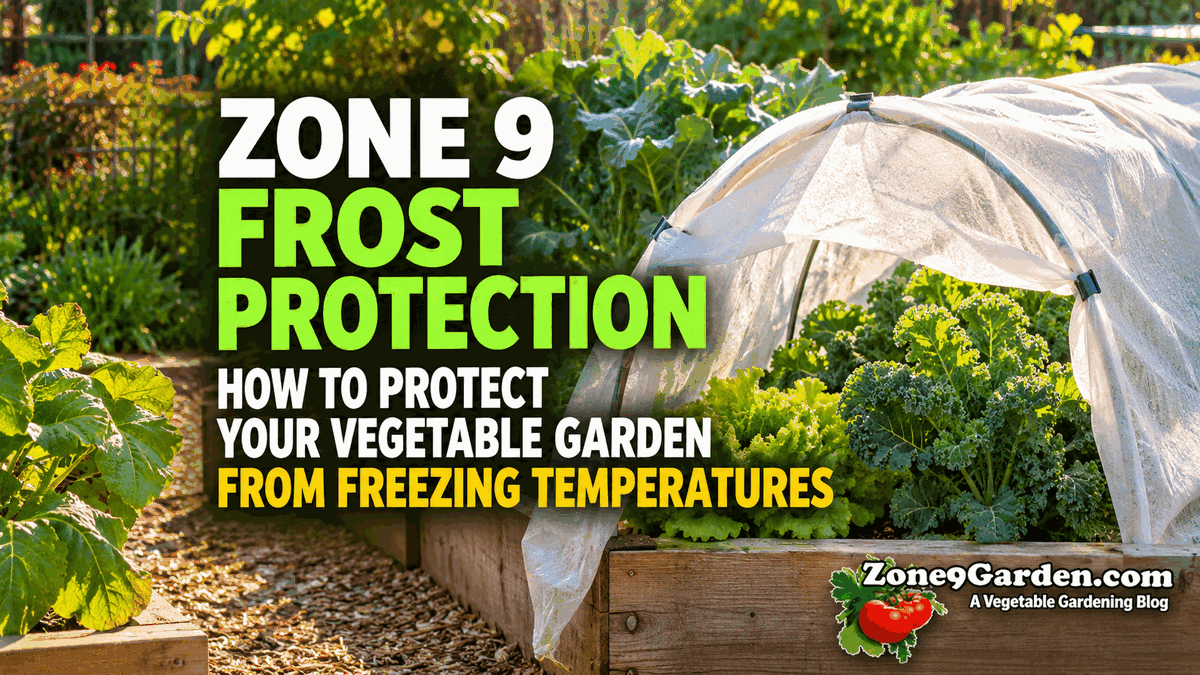
Place flexible PVC hoops, wire supports, or another stable framework over vulnerable plants. A low tunnel creates space between the cover and foliage and helps prevent abrasion from wind.
Supports are especially useful for tomatoes, broccoli, cauliflower, lettuce, and tender seedlings.
Step 5: Cover Plants Before Sunset
Drape frost cloth over the supports while some daytime warmth remains in the soil. Extend the material to the ground on all sides.
Do not simply wrap fabric tightly around the leaves. The goal is to create a sheltered space that captures heat rising from the soil.
Step 6: Secure Every Edge
Use smooth rocks, bricks, sandbags, or other suitable weights to hold the material against the ground. Check for openings where wind could enter.
Avoid pulling the fabric so tightly that it damages plants or tears in windy conditions.
Step 7: Move Container Vegetables
Move vulnerable potted plants into a protected garage, enclosed porch, greenhouse, or another suitable location before freezing temperatures arrive.
A dark garage is appropriate for short-term emergency protection, not long-term growing. Return plants to adequate light when conditions are safe.
Step 8: Ventilate or Remove Covers After the Freeze
Once temperatures rise safely above freezing, ventilate enclosed tunnels and remove temporary blankets or non-breathable coverings when appropriate.
Plastic-covered tunnels can heat rapidly in direct sunlight. Breathable agricultural row covers may remain in place longer when conditions and crop requirements allow, but still need monitoring for overheating and plant growth.
How to Use Frost Cloth Correctly in Zone 9
Frost cloth is one of the most practical tools for protecting vegetables during occasional Zone 9 freezes. Agricultural row covers are typically made from lightweight, nonwoven materials that allow varying amounts of light, air, and water to pass through.
These materials reduce heat loss from the covered area. Heavier fabrics generally provide greater frost protection but transmit less light.
Lightweight Versus Heavyweight Frost Cloth
UF/IFAS research on vegetable row covers describes protection that varies substantially with fabric weight and conditions. Some heavier materials have protected crops during temperatures in the 20s Fahrenheit, but these results should not be interpreted as guaranteed protection for every home garden.
University Extension guidance also notes that properly installed low tunnels can provide several degrees of additional warmth, depending on the cover, wind, and amount of heat stored in the soil.
Can Frost Cloth Touch Vegetable Plants?
Some lightweight agricultural row covers are designed to float directly over crops. However, contact can increase the risk of abrasion, especially during windy weather, and some leaves may be injured where they touch a cold or wet cover.
For home gardeners, hoops are a practical way to support fabric above tender vegetables. This is especially helpful for tall or delicate plants.
Can You Use Plastic Instead of Frost Cloth?
Plastic can trap warmth when used over a properly supported tunnel, but it is less forgiving than breathable frost cloth. Plastic touching leaves can contribute to injury, and enclosed plastic tunnels may overheat quickly after sunrise.
Never wrap plastic tightly against vegetable foliage as a substitute for properly installed frost protection.
Other Ways to Protect Your Zone 9 Garden From Freezing Weather
1. Use Low Tunnels Over Raised Beds
Low tunnels are particularly useful for lettuce, spinach, broccoli, cabbage, and other vegetables grown in rows or raised beds.
Install hoops across the bed and secure frost cloth over them. This creates a protected growing area while leaving enough room for plants.
Low tunnels can also extend the growing season beyond a single freeze event, provided they are monitored for heat buildup and ventilation.
2. Mulch Around Root Crops
Mulch can moderate soil temperatures and protect roots from rapid temperature changes. Straw or another suitable organic mulch is useful around carrots, turnips, and other cool-season crops.
Keep mulch from smothering small seedlings or accumulating tightly against plant crowns.
3. Protect Container Plants
Containers cool more rapidly than garden soil because roots are exposed to cold from multiple sides. Move potted peppers, tomatoes, herbs, and young vegetables into shelter when possible.
If containers cannot be moved, group them in a sheltered location and insulate the pots as appropriate.
4. Harvest Before a Severe Freeze
Sometimes the best protection is harvesting vegetables before temperatures become damaging.
Pick mature tomatoes, peppers, beans, and cucumbers ahead of a predicted freeze. Harvest ready lettuce, broccoli heads, and other produce if a prolonged severe freeze is expected.
5. Use Windbreaks Where Appropriate
A fence, temporary barrier, or other suitable windbreak can reduce cold wind exposure and help keep frost cloth from blowing loose.
Windbreaks alone do not prevent freezing, but they can improve the effectiveness of a properly installed protective cover.
6. Do Not Attempt Improvised Sprinkler Freeze Protection
Commercial growers sometimes use carefully engineered overhead irrigation systems to protect crops from freezing. These systems depend on continuous, correctly managed water application and sufficient water supply.
Turning on an ordinary garden sprinkler during freezing weather is not a dependable substitute. Incorrect operation can increase ice damage and create hazardous conditions.
For most backyard Zone 9 gardens, frost cloth, low tunnels, and moving containers are more practical choices.
7 Common Frost Protection Mistakes
- Waiting until after frost forms. Install covers before the coldest part of the night so they can retain some warmth from the soil.
- Leaving gaps around the edges. Covers that do not reach the ground allow trapped warmth to escape.
- Using plastic directly against foliage. Plastic can cause contact injury and may overheat plants after sunrise.
- Assuming all vegetables tolerate the same temperatures. Tomatoes and peppers are far more vulnerable than established kale or spinach.
- Leaving non-breathable covers closed during warm daylight. Enclosed tunnels can heat rapidly and damage plants.
- Overwatering already saturated soil. Watering before a freeze should correct dry conditions, not create waterlogging.
- Pruning damaged plants immediately. Cold injury may take time to become visible. Wait before making major pruning decisions.
What to Do After a Freeze in Your Zone 9 Vegetable Garden
The morning after a freeze can be discouraging. Leaves may look wilted, darkened, or water-soaked, and some vegetables may appear severely damaged.
However, not every plant that looks damaged is dead. Some crops can recover from limited foliage injury, while others may need to be removed and replanted.
Step 1: Wait for Temperatures to Rise
Avoid handling frozen foliage. Once temperatures rise and plants thaw, inspect the garden carefully.
Ventilate or remove covers as needed to prevent overheating, especially if the next day is sunny.
Step 2: Look for Signs of Freeze Damage
Common symptoms include:
- Wilted or collapsed foliage
- Dark, water-soaked leaf tissue
- Blackened stems or growing tips
- Brown or translucent leaf patches
- Softened fruit or vegetables
- Delayed growth or damaged flower buds
Damage may become more visible over the next several days as injured tissue deteriorates.
Step 3: Check Soil Moisture
Cold-damaged plants may still need water, particularly after a windy freeze. Check soil moisture and water only when needed.
Avoid leaving roots in saturated soil. Plants with damaged foliage may use water more slowly than healthy plants.
Step 4: Avoid Heavy Pruning Immediately
Wait until the extent of damage is clearer before cutting back surviving plants. Premature pruning can remove healthy growing points and expose remaining tissue to another freeze.
Remove tissue that is clearly rotting or creating sanitation problems, but avoid major pruning while additional cold weather is expected.
Step 5: Do Not Rush to Fertilize
Fertilizer cannot reverse frozen tissue. Applying large amounts of nitrogen to a stressed plant may encourage tender growth before conditions are suitable.
Wait until the plant shows healthy recovery and resumes active growth before reconsidering its nutrient needs.
Step 6: Decide Whether to Replant
Warm-season vegetables with extensive stem and crown damage may not recover. Established cool-season vegetables may survive and produce new growth.
If a crop is lost, use the Zone 9 Planting Calendar to choose a replacement suited to the remaining season.
Can You Eat Vegetables After a Freeze?
Some hardy vegetables remain suitable for harvest after frost, but produce that becomes mushy, rotten, moldy, or otherwise spoiled should be discarded.
Do not assume every frozen vegetable remains safe or high quality. Assess the crop and its condition, and follow appropriate food safety guidance.
Zone 9a vs. Zone 9b: Does Frost Protection Differ?
The USDA divides Zone 9 into two subzones based on average annual extreme minimum temperatures.
Zone 9b is not automatically frost-free, and Zone 9a does not experience the same conditions everywhere. Local topography, elevation, wind exposure, and proximity to large bodies of water can create important differences within each subzone.
Regional Frost Protection Differences Across Zone 9
Florida and the Southeast
Florida Zone 9 gardens may experience long periods of mild weather interrupted by sudden cold fronts. Tender plants that have continued growing during warm weather can be especially vulnerable when freezing temperatures arrive.
Keep frost cloth ready during winter, especially for tender crops and young transplants. Monitor inland and low-lying gardens closely, because they may become colder than nearby coastal areas.
UF/IFAS provides research-based guidance on row covers and cold protection for Florida crops.
Texas and the Gulf Coast
Texas Zone 9 gardens can experience rapid temperature changes and occasional strong cold fronts. Wind may be a major challenge during freezing weather.
Secure covers carefully, protect containers, and do not assume that a lightweight fabric will provide enough protection during a windy, prolonged freeze.
Arizona and the Desert Southwest
Desert gardens often experience large differences between daytime and nighttime temperatures. Clear, dry nights can produce frost even after pleasantly warm afternoons.
Check local nighttime lows carefully, especially in frost pockets. Use supported frost cloth over vulnerable crops and monitor soil moisture, which may differ substantially from humid regions.
California
California Zone 9 includes inland valleys and other locations where winter cold can differ substantially from nearby coastal areas.
Low-lying inland gardens may experience radiational frost during clear, calm nights. Monitor local microclimates and protect vulnerable crops before temperatures fall.
UC Agriculture and Natural Resources provides regional gardening and integrated pest management guidance that can help gardeners adapt protection methods to local conditions.
Zone 9 Frost Protection Checklist
Use this checklist whenever freezing temperatures are expected.
24–48 Hours Before the Freeze
- ☐ Check the National Weather Service forecast.
- ☐ Identify tender vegetables and young transplants.
- ☐ Check frost cloth, hoops, and securing materials.
- ☐ Harvest mature warm-season vegetables if necessary.
- ☐ Check soil moisture and water dry beds appropriately.
- ☐ Prepare sheltered space for container plants.
The Afternoon Before the Freeze
- ☐ Install hoops or supports over vulnerable plants.
- ☐ Cover beds before sunset.
- ☐ Extend covers to the ground.
- ☐ Secure every edge against wind.
- ☐ Move tender containers into shelter.
- ☐ Confirm that covers are not crushing plants.
After the Freeze
- ☐ Wait for temperatures to rise before handling frozen foliage.
- ☐ Ventilate or remove covers when appropriate.
- ☐ Inspect plants for damaged foliage and stems.
- ☐ Check soil moisture before watering.
- ☐ Avoid heavy pruning or unnecessary fertilizer.
- ☐ Monitor plants for delayed damage.
- ☐ Replace dead crops with seasonally appropriate vegetables.
Frequently Asked Questions About Zone 9 Frost Protection
Does Zone 9 get frost?
Yes. Zone 9 experiences occasional frost and freezing temperatures. Zone 9a has average annual extreme minimum temperatures of 20–25°F, while Zone 9b ranges from 25–30°F. These are hardiness-zone averages, not forecasts for every winter.
At what temperature should I cover vegetables?
Prepare to protect frost-sensitive vegetables when forecasts approach the mid-30s Fahrenheit, especially during clear, calm nights. Install covers before temperatures reach freezing. Cold-hardy vegetables may tolerate lower temperatures.
Will frost cloth protect plants at 25°F?
Some heavier agricultural row covers have protected certain crops at temperatures near 25°F under favorable conditions. However, results depend on fabric weight, installation, wind, freeze duration, and crop tolerance. Protection is not guaranteed.
Can I use bedsheets to protect vegetables?
Yes. Bedsheets or blankets can provide temporary frost protection when properly supported and secured to the ground. Remove or ventilate them when temperatures rise, and avoid allowing heavy wet fabric to crush plants.
Can I cover plants with plastic?
Plastic can be used over a supported tunnel, but it should not rest directly against foliage. Enclosed plastic tunnels require careful ventilation because temperatures can rise quickly after sunrise.
Should frost cloth touch the ground?
Yes. Extending the cover to the ground and securing the edges helps retain heat from the soil. This is an important part of effective frost protection.
Can kale survive a freeze in Zone 9?
Established kale is relatively cold-hardy and often survives light freezes. Its tolerance depends on variety, acclimation, plant health, and the severity and duration of the cold. Severe freezes can still cause damage.
Will broccoli survive 28°F?
Established, acclimated broccoli often tolerates a brief temperature near 28°F, but young transplants and developing heads may be more vulnerable. Covering plants can help reduce injury.
Should I water my garden before a freeze?
If the soil is dry, watering ahead of the freeze may help because moist soil stores and transfers heat more effectively than very dry soil. Do not saturate wet beds or attempt improvised overhead freeze-protection irrigation.
When should I remove frost cloth?
Ventilate or remove temporary covers once temperatures rise safely above freezing and plants no longer need protection. Plastic and heavy non-breathable coverings require particular attention because they can overheat plants in sunlight.
Can frost-damaged vegetables recover?
Some vegetables recover from limited foliage damage if their growing points and roots remain healthy. Warm-season crops with severe stem or crown damage may not recover. Wait for the extent of injury to become clear before deciding whether to replant.
Should I prune plants immediately after a freeze?
Avoid heavy pruning immediately after a freeze. Damage may take several days to become visible, and surviving tissue may still provide protection. Remove clearly rotting material when needed, but delay major pruning until recovery is evident.
Is Zone 9b frost-free?
No. Zone 9b is generally milder than Zone 9a in terms of average annual extreme minimum temperatures, but frost and freezing conditions can still occur.
What vegetables can I plant after a winter freeze?
Depending on the remaining season and local conditions, cool-season vegetables such as lettuce, spinach, radishes, carrots, and certain brassicas may be suitable replacements. Consult the Zone 9 planting calendar and local Extension guidance before replanting.
Final Thoughts: Protecting Your Zone 9 Vegetable Garden
A frost warning does not have to mean the end of your Zone 9 vegetable garden. Many cool-season crops can tolerate brief periods of cold, and vulnerable plants often benefit from simple protection methods such as frost cloth, low tunnels, and sheltered containers.
The most important steps are to monitor the forecast, identify sensitive crops, install covers before temperatures fall, and secure those covers all the way to the ground.
Remember that frost cloth provides limited protection rather than guaranteed survival. A severe or prolonged freeze can damage even properly protected vegetables.
If cold damage occurs, avoid rushing to prune or fertilize. Give surviving plants time to recover, then replant with vegetables suited to the remaining season.
With a little preparation and the right supplies, Zone 9 gardeners can protect their crops, reduce winter losses, and continue enjoying fresh vegetables through much of the cooler season.
Research Behind This Guide
The recommendations in this article draw on university Extension research and USDA hardiness-zone definitions. Frost protection effectiveness varies by crop, local weather, and the equipment used.
| Source | Research Focus |
|---|---|
| UF/IFAS | Row Covers for Growth Enhancement — Frost protection, row-cover weight, and vegetable cold protection methods. |
| UF/IFAS | Row Covers for Commercial Vegetable Culture in Florida — Row-cover performance, temperature effects, and correct installation and removal. |
| UF/IFAS | Cold Protection of Landscape Plants — Cold injury, covering methods, watering, and post-freeze recovery principles. |
| University of Georgia Extension | Low Hoop Houses Can Extend the Growing Season — Low-tunnel installation, securing covers, ventilation, and potential temperature benefits. |
| University of Georgia Extension | Commercial Production of Vegetable Transplants — Frost vulnerability of transplants and protection methods. |
| University of Georgia Extension | Troubleshooting Vegetable Production Problems in the Southeast — Recognizing cold damage and distinguishing it from other plant problems. |
| USDA | USDA Plant Hardiness Zone Map — Zone 9a and Zone 9b temperature definitions. |
| National Weather Service | Weather Forecasts and Alerts — Local frost and freeze forecasts and weather warnings. |
| Zone9Garden.com | Zone 9 Winter Planting Guide — Seasonal vegetable selection and winter garden planning. |
Research note:
Frost tolerance varies substantially by plant variety, age, acclimation, and local conditions. The temperature ranges in this article are practical planning guidance rather than guaranteed survival thresholds. Consult your local Cooperative Extension office for region-specific advice.