
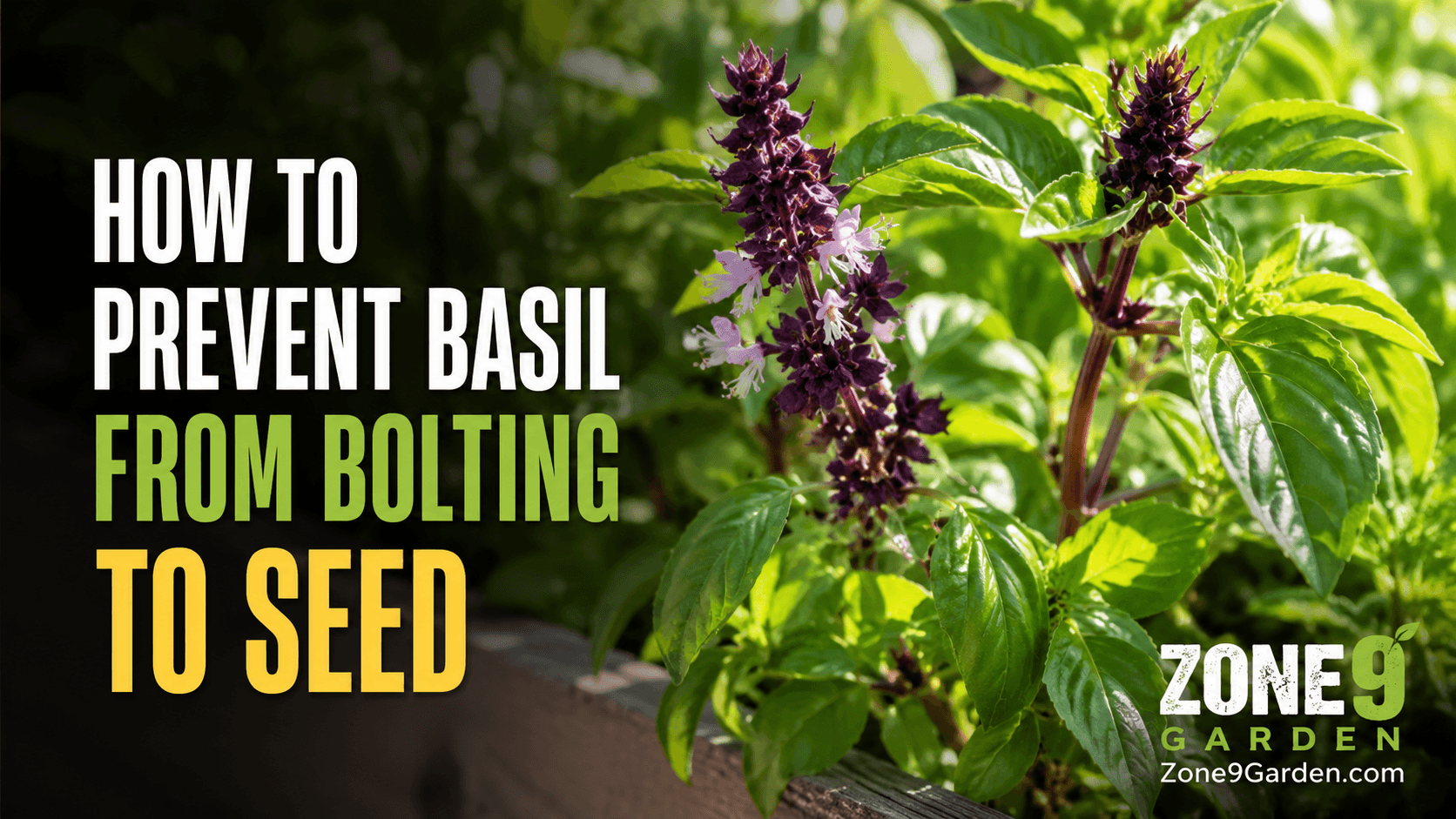
Fresh basil is one of the most rewarding herbs to grow in a Zone 9 garden. It thrives in warm weather, grows quickly, and produces flavorful leaves for months. However, once summer temperatures begin to soar, basil often starts to bolt, reducing both leaf production and flavor.
If you want a steady supply of fresh basil throughout the growing season, it's important to understand why bolting happens and how to prevent it.
What Is Basil Bolting?
Bolting occurs when a basil plant shifts its energy from producing leaves to producing flowers and seeds. This is a natural survival response triggered by heat, stress, or plant maturity.
Once basil begins flowering, the leaves often become smaller, tougher, and less flavorful. While the plant is still edible, most gardeners prefer to prevent bolting for as long as possible to maximize harvests.
1. Provide Afternoon Shade
In Zone 9, intense summer sun can quickly stress basil plants and encourage flowering. While basil enjoys sunlight, too much direct exposure during the hottest part of the day can accelerate bolting.
Growing basil in containers is one of the easiest solutions because pots can be moved to a location that receives morning sun and afternoon shade. For basil planted directly in the garden, consider installing shade cloth during the peak heat of summer.
Shade cloth allows sunlight to reach your plants while reducing heat and light intensity. Many gardeners report temperature reductions of up to 15–20 degrees beneath quality shade cloth, creating a more comfortable growing environment for basil and other heat-sensitive herbs.
2. Keep Soil Consistently Moist
Heat stress is one of the biggest triggers for basil flowering. Regular watering helps plants stay healthy and productive during the hottest months of the year.
Basil prefers evenly moist soil but does not tolerate constantly wet roots. Water deeply when the top layer of soil begins to dry, and make sure containers and garden beds have good drainage.
When possible, water early in the morning. This allows plants to absorb moisture before temperatures rise and reduces the risk of leaf damage that can occur when water droplets sit on foliage during intense sunlight.
3. Harvest Basil Frequently
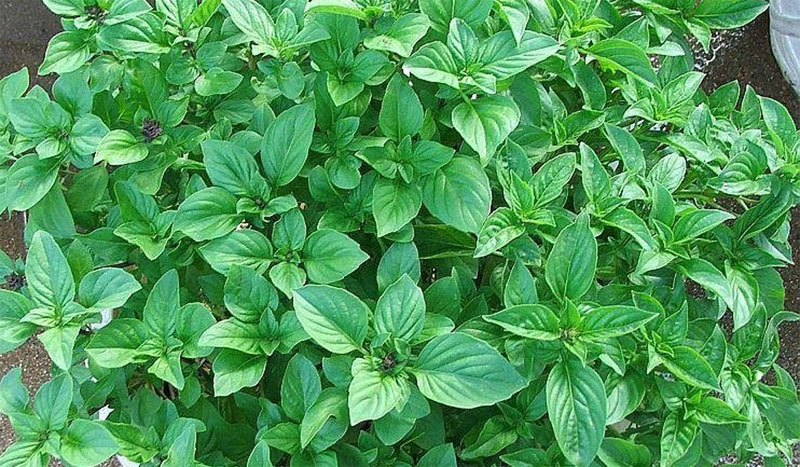
One of the easiest ways to prevent basil from going to seed is to harvest often. Regular picking encourages the plant to continue producing fresh leaves rather than flowers.
During peak growing season, basil can be harvested several times per week—and sometimes even daily. Don't worry about removing too much. Frequent harvesting actually promotes fuller, bushier growth and can significantly increase overall yields.
Even if you don't need the leaves immediately, harvesting them helps delay flowering and keeps the plant productive longer.
4. Prune Flower Buds Immediately
Basil grows rapidly in warm weather and benefits from regular pruning. A good rule of thumb is to trim plants back by about one-third every few weeks during active growth.
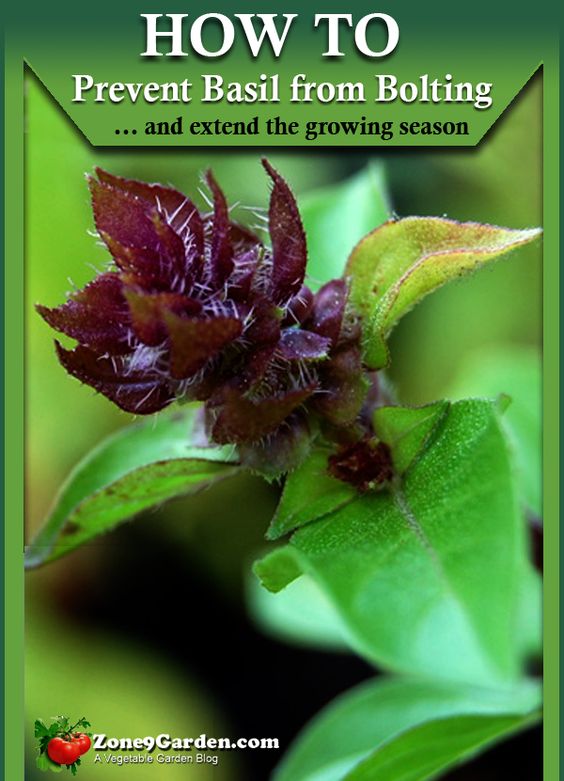
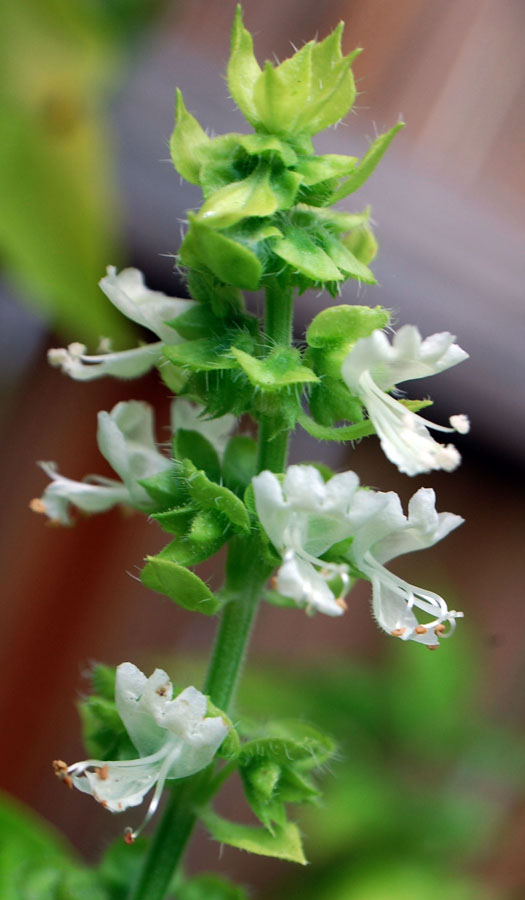
More importantly, inspect your plants regularly for developing flower buds. Basil flower spikes are easy to identify because they form at the tips of stems and stand out from the surrounding foliage.
As soon as you notice a flower bud forming, cut the stem approximately one inch below the developing flower. This redirects the plant's energy back into producing leaves instead of seeds.
Enjoy Fresh Basil All Summer
With proper watering, regular harvesting, strategic shade, and consistent pruning, you can keep basil productive far longer during the hot Zone 9 growing season. A few minutes of maintenance each week can reward you with months of flavorful leaves for pesto, sauces, salads, and countless other recipes.