Archive for the 'Central Florida (zone 9)' Category

Zone 9 January Planting Guide

What to Plant in Zone 9 in January

See Full Guide Here…
Crop Recommended Verities Notes
Broccoli Early Dividend, Packman Plant early in the month to avoid bolting
Cabbage Flat Dutch, Wakefield Beware of Cabbage Black-Rot
Carrots Danvers, Imperator, Nantes Raised beds work best for Carrots
Cauliflower Snow Crown, Snowball Tie leaves around head to stop color shift
Celery All Utah Strains Requires a soil that holds moisture well

Zone 9 Spring Planting Guide

What to Plant in Zone 9 for Spring

See Full Guide Here…
Crop Month to Plant Recommended Verities Notes
Beans, Green March-April Blue Lake, Cherokee Wax, Kentucky Wonder Both bush and pole
Beans, Lima March-April Henderson, Jackson Wonder Trellis for support!
Cantaloupes March-April Ambrosia, Athena, Galia Keep fruit of soil to avoid rot
Carrots September-March Danvers, Nates, Imprator Raised beds work best!
Cauliflower January-February Brocoverde, Snowball Some are green headed

Zone 9 Fall Planting Guide

What to Plant in Zone 9 for Fall See Full Guide Here…
Crop Month to Plant Recommended Verities Notes
Bush Beans September Bush Blue Lake, Cherokee Yellow Wax Fertilize lightly
Pole Beans August-September Kentucky Wonder, Blue Lake Support for vines required.
Lima Beans September Henderson, Jackson Wonder Provide a trellis
Beets October – March Early Wonder, Cylindra, Red Ace Leaves are edibles
Broccoli August – January Early Green, Waltham, Packman Harvest often for better crop

Okra in Bloom

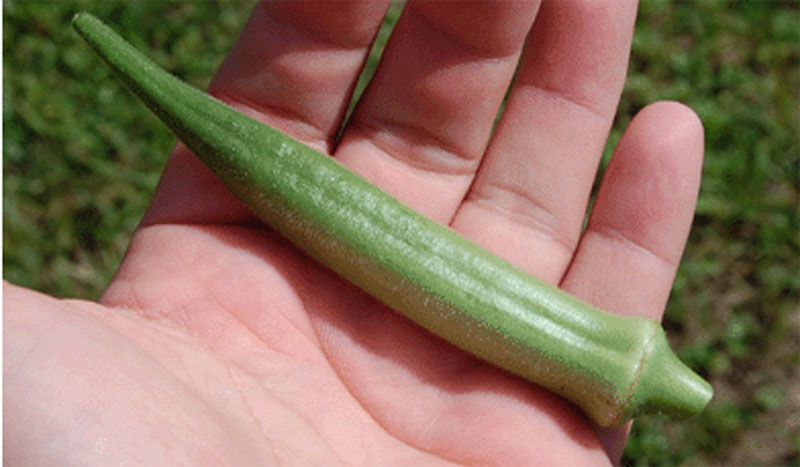
One of my favorite summer crops is in bloom in my garden, Okra. This is a very attractive plant with very attractive flowers. The flowers are very similar in appearance to the hibiscus flower!

This self-pollinating flower only stays in bloom in my garden for 1 day and only part of that one day. It is pollinated very rapidly by insects and even wind and bares fruit shortly after pollination. By tomorrow I expect to see a small Okra where this flower is now.

The plant that this bloom is on has 7 other blooms about to open so I expect it to be a fairly heavy producer over the next few months. As long as Okra is harvested often it will continue to produce until the first frost of the season!

Pickleworms – A Cucurbit Nightmare.

One of the most destructive pests to attack cucumbers and squash in zone 9 is the Pickleworm. This worm is the larva of a nocturnal moth that lays its eggs on the leaves of Cucurbit plants late at night. Once the eggs hatch the young worms begin to attack the plant. The Pickleworm moth does not handle frost well and will die off, wintering in South Florida. Once the weather warms they start to migrate north, causing havoc along the way.

Distribution Pickleworm Moths spend their winters only in South Florida (possibly South Texas). They are sometimes found wintering as far north as Sanford, a city just north of Orlando. During the summer they will migrate north all the way up to North Carolina and sometimes even further.

Time of Infestation The Pickleworm starts to breed and infest its host plants in early June in Florida and moves north quickly. As soon as the air is warm night and day the Pickleworms show up and start to breed.

More

Cowpeas in Central Florida (zone 9)

Cowpeas are one of the best spring/summer crops here in Central Florida. They not only grow in the heat but they thrive in it. In general cowpeas are easy to grow but there are a few special steps to consider here in Zone 9.

For the most part, growing cowpeas in Central Florida is no different than growing cowpeas anywhere else but there are a few things to consider here.

Sandy Soil In Many areas in zone 9, and all of Central Florida, sandy soil is predominant. Sandy soil lacks many nutrients and needs to be amended with organic matter such as compost and composted cow manure.

More

How to Grow Cinnamon Basil in Zone 9

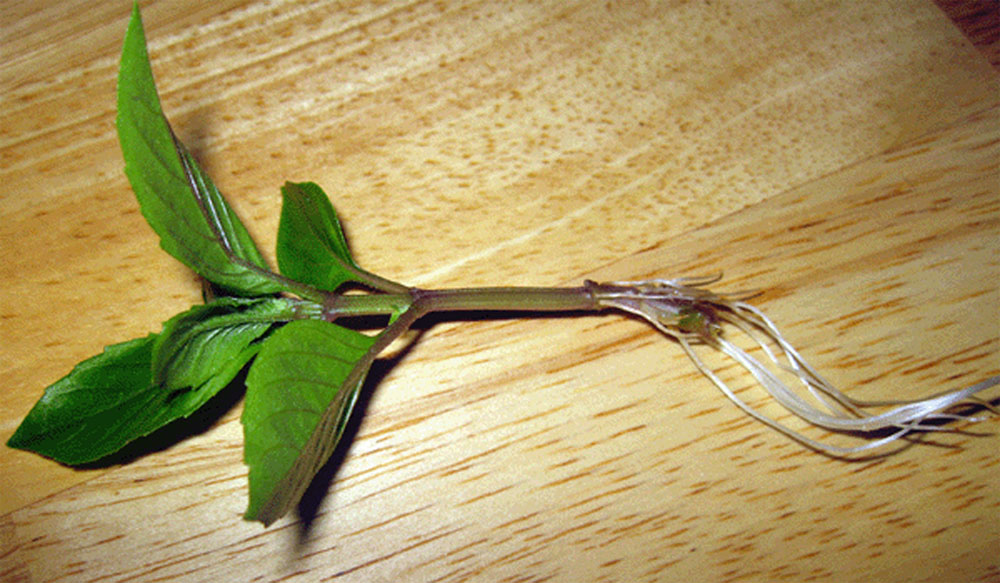
Basil is one of the most popular herbs used in cooking and is also one of the most popular herbs to grow in the home garden. Cinnamon Basil is a variant of the popular herb that has a cinnamon like smell and flavor.

In general Cinnamon Basil is an easy to grow herb, and here in Zone 9 where it is warm most of the year, this herb can flourish. Here is a step-by-step guide to growing Cinnamon Basil.

1. Sow the seed indoors 3-4 weeks before final frost of winter – if sowing outdoors do so after the final frost of the year 2. Transplant Seedling outdoors 1 week after final frost of season 3. Plant seedlings in rich well-drained soil in a very sunny spot 4. Space plants 10” apart from each other 5. Start to harvest leaves when plant reaches 6” – Harvest by pinching to of plant off – Prevents bolting to seed – encourages bushy plant 6. If there is any sign of the plant flowering pinch off top part of stem – Flowers drastically reduce flavor in leaves 7. Cinnamon Basil will not tolerate frost so harvest and dry remaining plant before first frost

1. Sowing the Seeds

Cinnamon Basil can be easily grown from seeds and germinates in 1-3 weeks. Basil does not like cool temperatures and should not be put outside if daytime temperatures are not yet averaging 70+ degrees and nighttime temperatures are averaging less than 50 degrees.

If you want to start the seed indoors, do so about 3-4 weeks before the last expected frost. Here in zone 9 there are not many frost, but a good guide would be to plant the seed in mid February, and transplant it outside early March. If you decide to sow the seed outside in the garden do so after the last frost of the winter. Early March is usually a good time to start outdoors.

More